What dangers (and surprises) lurk on Australia's beaches
All you want in this hot summer is to be somewhere by the sea or ocean, feel the refreshing breeze on your skin, and enjoy the landscape and life.
Here, the residents of Australia are allowed to surf and swim off the Sydney shores (with observance of social distancing and other safety measures). Another thing is that on the beaches of the “green continent,” you should be on your guard because sharks, jellyfish and blue-ringed octopuses do not know self-isolation.
What a beautiful octopus?
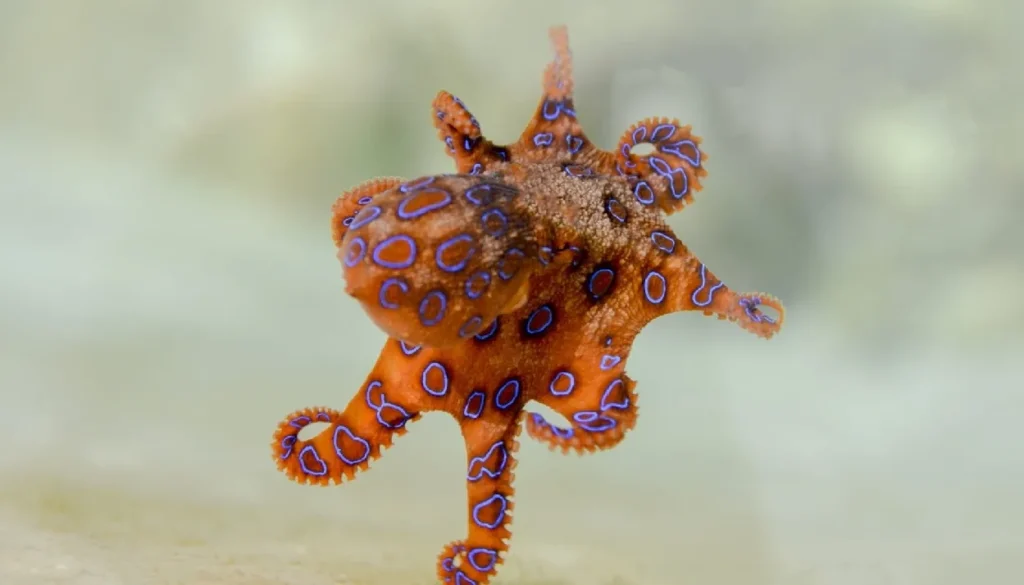
Last January, Tiktok posted a cute video of a man holding a small, defenceless, blue-spotted octopus in the palm of his hand and gently releasing it into the water. Indeed – happiness in ignorance! The unsuspecting tourist was on the verge of death: this seemingly harmless creature is a blue-ringed octopus, one of the most deadly animals in the world. Its venom is enough to kill 26 adults in a couple of minutes, and no antidote has yet been found.
In the video, the blogger can be seen shaking off the hooked cephalopod from the palm of his hand: another second and poisoning would have been unavoidable.
This is not the first encounter with blue-ringed octopuses in Australia. A little earlier, an alarmed Julie Tattem warned on Facebook: be careful at Cronulla Beach! Her 11-year-old daughter emerged from the water saying, “Look what a beautiful octopus I caught in my shell!”. Good thing Julie was aware of the danger, and the girl did not touch the catch: no one was hurt, and the colourful monster crawled away into the ocean to wait for other careless holidaymakers.
Jaws
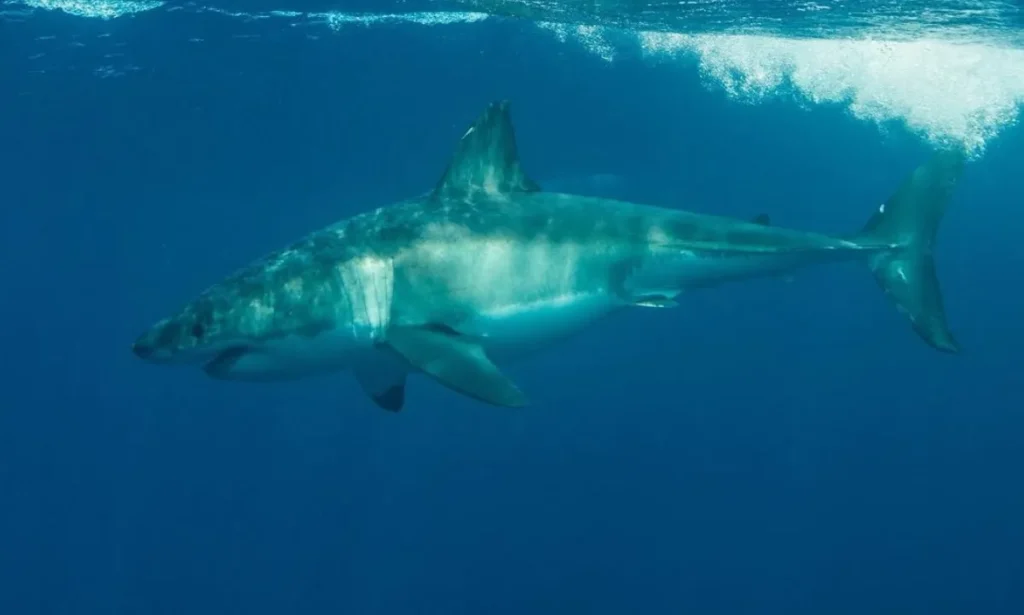
Just the other day, some unfortunate news came out of Australia: a 20-year-old surfer was hospitalized with leg injuries after a suspected great white shark attacked him on Monday at a popular surfing spot off Australia’s west coast. The incident happened in the morning near picturesque Gnarabap beach south of Perth.
A Western Australian Health Service spokesman told AFP that the young man was stable. Local authorities have closed beaches in the area to ensure safety, and state authorities have urged people to report shark sightings. According to The West Australian newspaper, the young man was helped by a nurse after getting to a nearby cafe. Other surfers took him to a local hospital and later transferred him to the larger Bunbury Regional Hospital.
More than 100 of the 370-plus species of shark live in Western Australian waters, from the 30-centimetre dwarf shark to the world’s largest fish, the whale shark, which can be up to 12 meters long. According to the Conservation Society’s database of shark incidents in the country, there have been 16 fatal shark attacks in Western Australian waters since 2010, most recently in February this year, when a teenage girl died.
For those wishing to explore Western Australia’s state capital, join the unforgettable Perth tours.
Who else to watch out for?
Many Australian beaches are covered with nets to protect against the invasion of cubomedusa, a slender creature with a bell-shaped, rectangular cross-section. They swim very fast and burns from their stinging cells can be fatal to humans.
Warthog, living on the bottom of coral reefs, is easy to confuse with a stone: greenish or brown, covered with bumps, ridges and barbs; it is talented mimicry under the environment. It is the most poisonous fish in the world. Its toxins provoke extreme pain, paralysis, shock and tissue death. Spikes pierce even sturdy shoes, and it all depends on luck: a lethal outcome can occur in 2-3 hours, but there is a chance to survive, “only” having had a few months.
On land, there are inland taipan and reticulated brown snakes (“gold” and “silver” in the rating of the most poisonous land snakes of the world), Sydney funnel spider (fast and aggressive) and Australian widow with recognizable black and red colouring. And rivers and swamps are home to crested crocodiles, the largest coastal predators that never leave their prey alive.
The Irukandji jellyfish

The Irukandji jellyfish is one of the tiniest jellyfish on the planet (average size is only 12×25 mm). In 1961, an enthusiastic doctor, Jack Barnes, caught it and allowed himself to be stung for the benefit of science: it was the only way to describe the symptoms. The doctor definitely had a hard time because Irukandji toxins cause unbearable headache and muscle pain, vomiting and nausea, tachycardia, hypertension and pulmonary edema.
Molluscs cones
Uninvited guests
In late May, residents of Sydney came to relax on the beach and were dumbfounded: the whole coast suddenly became snow-white. Looking closer, they realized that the sand was covered with protective medical masks – an eerie and highly symbolic picture in the light of recent events.
As it turned out, means of protection, building materials, and household appliances were transported on a cargo ship from China to Melbourne. Still, during the storm, 40 containers fell overboard, and thousands of masks were thrown on the coast. To Sydney residents’ credit, as soon as they heard the news, they worked together to clean up the beaches in record time.
And if you are not scared of these dangers but still want to dive into the wild sea and swim with whale sharks then we recommend you to join Exmouth Whale Shark Tours experienced guides will always take care of your safety.