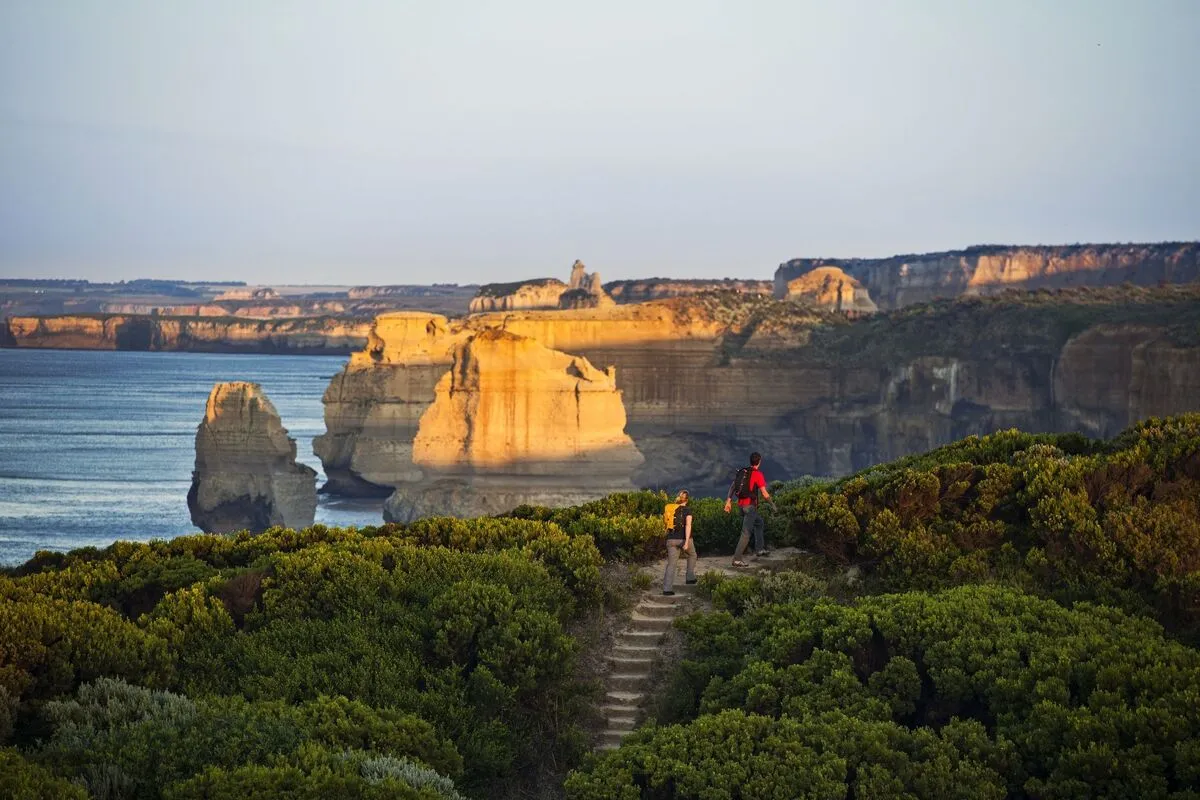
The Great Ocean Road is a epic adventure that runs along the southern coast of Australia and is one of the most beautiful road trips in the world. From Melbourne to South Australia this iconic road is scattered with stunning beaches, rainforests, coastal towns and historical landmarks. Do you go on a guided Great Ocean Road tours from Melbourne or drive yourself? This article will break down the pros and cons of both so you can decide how to experience this fantastic coastline.
Pros of Guided Tours
- Expert Knowledge: A guided tour of the Great Ocean Road from Melbourne gives you access to knowledgeable guides who are experts in the history, geology and wildlife of the area. They share fascinating stories and little known facts about attractions like Port Campbell National Park, Cape Otway Lightstation and Bells Beach.
- Convenience: One of the biggest benefits of guided tours is the convenience. Everything is taken care of for you, from transportation and accommodation to the itinerary. So you can sit back and enjoy the trip, visit must see spots like London Bridge, Griffiths Island and the rainforest of Otway National Park without having to worry about the logistics.
- Safety: The Great Ocean Road is a winding road, especially in areas like Grey River Road and the coastal road near Cape Otway can be tricky to navigate. Guided tours give you peace of mind with experienced drivers who know the safest routes and can handle the driving so you can take in stunning coastal views.
- Social Experience: Guided tours are a great way to meet like minded travellers who share your love of travel and adventure. Whether you’re exploring the coastal towns of Port Fairy and Lorne Beach or taking in the views from Split Point Lighthouse you can do it with others who appreciate it just as much as you.
- Access to Exclusive Spots: Many guided tours include access to exclusive locations and experiences that self drive tourists might miss. This could be private tours of the Cape Otway lighthouse, hidden beaches like Wreck Beach and Johanna Beach or unique cultural experiences in coastal towns along the southern coast.
Cons of Guided Tours
- Lack of Flexibility: Guided tours follow a set itinerary so it might not align with your interests. For example if you want to spend more time at Station Beach or Brighton Beach you may find the tour schedule too tight.
- Group Dynamics: Traveling with a group means you have to consider others needs and preferences which can sometimes limit your personal enjoyment. For instance you may want to linger at Bells Beach or take extra time to explore the views of the Bay of Islands but the group schedule won’t allow it.
- Cost: Guided tours are often more expensive than self driving especially when they include premium experiences like the Australia Zoo, ensuites accommodation or access to the largest island in the area King Island. These extra costs can make guided tours less budget friendly especially for families or large groups.
- Time Constraints: Guided tours are on a strict schedule, so you may not have time to enjoy certain attractions fully. Whether it’s the views from Cape Nelson, the rainforest of Triplet Falls or the beaches of Milanesia Beach, you may feel rushed.
- Less Personal Experience: The structured nature of guided tours can make the experience feel less personal. If you love the spontaneity of making impromptu stops at scenic spots like Erskine Falls or Hopetoun Falls, you may find a guided tour too rigid.
Pros of Tours
- Freedom and Flexibility: Self driving the Great Ocean Road gives you the freedom to create your own itinerary. You can take your time in the coastal towns of Port Fairy, Johanna Beach and Otway National Park. You can discover hidden gems like Aireys Inlet, Castle Cove and Blanket Bay at your own pace.
- Pacing: Self-driving gives you complete control over your schedule, so you can spend as much time as you want at each destination. Whether you’re taking in the views from London Arch, walking around Griffiths Island or taking a day trip to Port Douglas, you can tailor your trip to suit you.
- Cost Effective: A self drive tour can be more budget friendly, especially if you’re doing an extended Australian road trip. By staying at camping sites along the way, such as Aire River or Walker Points, you can save on accommodation costs. This is especially good if you’re travelling with a group or family.
- Privacy: Traveling solo or with selected companions means a more private and intimate experience. Whether you’re driving the coastal road to Cape Tribulation, camping at a Caravan park or visiting secluded beaches like Station Beach, you can enjoy these moments without a tour group.
- Adventure: Self driving adds an element of adventure to your trip. Navigating the windy roads near Cape Otway, exploring the rainforest of Mountain Ash and discovering lesser known spots like Rainbow Falls and Logans Beach gives you a sense of excitement that a guided one day Great Ocean Road tour may not.
Downsides of Self-Drive Tours
- Responsibility: Self-driving means you’re in charge of all the logistics of your trip, including navigation, accommodation bookings and meal planning. This can be stressful, especially if you’re not familiar with the area or if your journey involves multiple destinations like the Daintree Rainforest, Byron Bay or Kangaroo Island.
- Driving Fatigue: The Great Ocean Road is long and windy, which can lead to driving fatigue, especially if you’re covering a lot of ground in one day. This can detract from your experience, especially if you’re planning to visit multiple attractions like Luna Park, Phillip Island and the Australia Zoo.
- No Local Knowledge: Without a guide, you might miss out on local knowledge and insights. For example, you might not learn about the history of Port Campbell National Park, but the best spot to see Australian wildlife is at Currumbin Wildlife Sanctuary or the hidden trails in Otway National Park.
- Risk of Getting Lost: Navigating unknown roads, especially in remote areas like Cape Nelson or along the coastal road to Cape Bridgewater, can be tricky. The risk of getting lost or missing out on critical attractions like Lorne Beach or Mission Beach is higher when self-driving.
- Car Rental Costs: While self-driving can be more cost effective, renting a suitable car for an Australian road trip can be expensive. Especially if you’re planning to visit remote areas like Cape Tribulation or if you need a car with specific features like a 4WD for off-road adventures.
Summary
Ultimately it comes down to your travel style, budget and preferences. Guided tours offer convenience, safety and local knowledge so are perfect for those who want a structured and stress free experience. Self-drive tours offer freedom, flexibility and adventure so are ideal for those who like to explore at their own pace and discover the hidden gems along the way. Decide what’s most important to you and choose the option that best fits your dream Great Ocean Road trip.
FAQ
Can I drive the Great Ocean Road by myself?
Yes, driving the Great Ocean Road is fine, but be prepared for narrow and winding roads, especially in areas like Grey River Road and the coastal road near Cape Otway. Know the local driving laws and conditions before you go, especially if you plan to venture to remote areas like Cape Nelson or Wreck Beach.
How long is a guided tour?
Guided tours of the Great Ocean Road can be a full day or several days depending on the itinerary. Some tours are a day trip from Melbourne while others include overnight stays in coastal towns like Port Fairy and extended visits to attractions like the Australia Zoo, Port Douglas and the Daintree Rainforest.
When is the best time to visit the Great Ocean Road?
The best time to visit the Great Ocean Road is in spring (September to November) or autumn (March to May) when the weather is mild and the crowds are smaller. This is also the perfect time to do camping trips, explore the lush rainforest of Otway National Park and visit beautiful beaches like Bells Beach and Lorne Beach.
Can I do a self-drive and guided tour?
Yes! Many people self drive and book guided experiences for certain parts of the journey. For example you can drive the Great Ocean Road yourself and then join a guided hike in Otway National Park or a wildlife tour at Mission Beach. This way you get the freedom of self driving and the expertise of local guides.
Are there any restrictions or permits?
No permits are required to drive the Great Ocean Road, but please follow all local traffic laws and respect any restrictions or guidelines in national parks or protected areas along the way. Check your travel plans to see what’s required for specific attractions like Cape Otway Lightstation, Port Campbell National Park and Griffiths Island.