
The Legends of Uluru: Mythical Tales and Traditional Beliefs
Uluru is a standout amongst the most conspicuous historic points in Australia. Other than being known as Ayers Rock, it is likewise viewed as one of the universe’s normal miracles. This huge sandstone monolith has been made uncommon by its geological development and antiquated religious convictions by the Aboriginal individuals who live there. It is arranged in the Northern Territory, right amidst Australia.
The stone monument holds an extraordinary place in Aboriginal culture, which implies that there are numerous social exercises that encompass it consistently – both conventional and present-day; private and open occasions occur here constantly! There are countless regarding this site – not only those connected with Indigenous life either: people from everywhere throughout the world visit consistently just to have their breath removed by witnessing such excellence very close!
For example, we can discuss how Uluru is seen as an image of otherworldly nature among Aboriginals because they think it’s associated with their predecessors’ spirits or even look at the number of various types of creatures that live here because of its geographic area—these are only a few models; however, hopefully, they give you some thought regarding where I’m going with this…
Contents
The Pleiades
Aboriginal mythology pertaining to Uluru also includes the Seven Sisters, or the Pleiades, as it is more commonly known. This narrative changes between Aboriginal communities but usually involves seven sisters being chased by a giant. The siblings turned into stars so that they could escape the massive person who was pursuing them and can now be seen in the night sky.
In relation to Uluru, this myth accounts for connections between heavenly bodies and earthly realms. The story of the Seven Sisters becomes entwined with formations of rocks at different points around Uluru, where it touches surrounding landscapes, thereby relating physical features on land with those found among stars in space. Such an understanding underscores aboriginal belief systems, which recognize profound interdependence between things celestial and terrestrial.
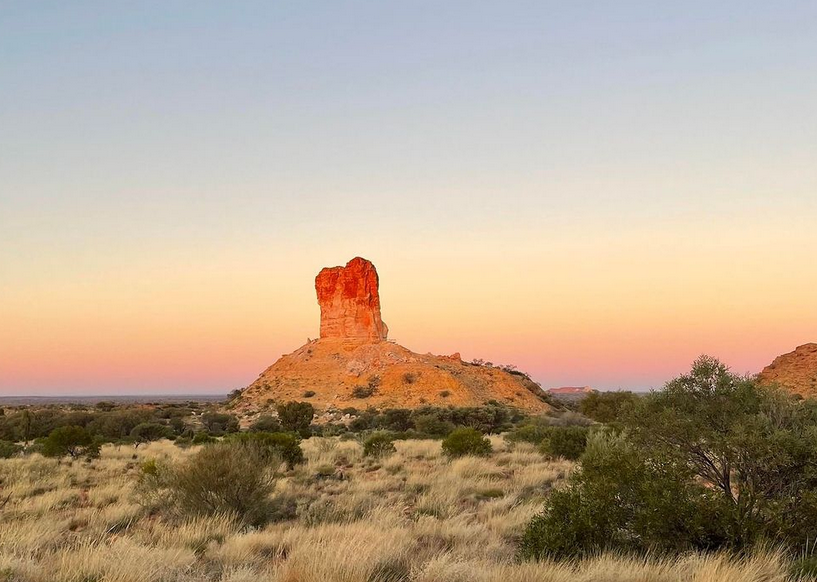
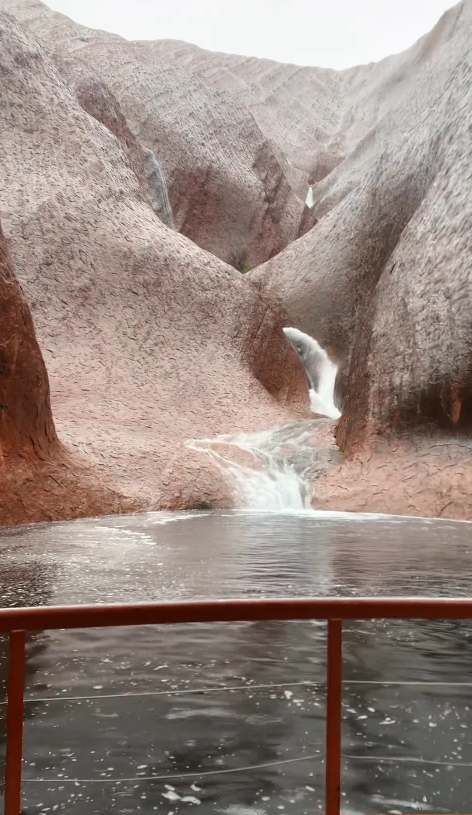
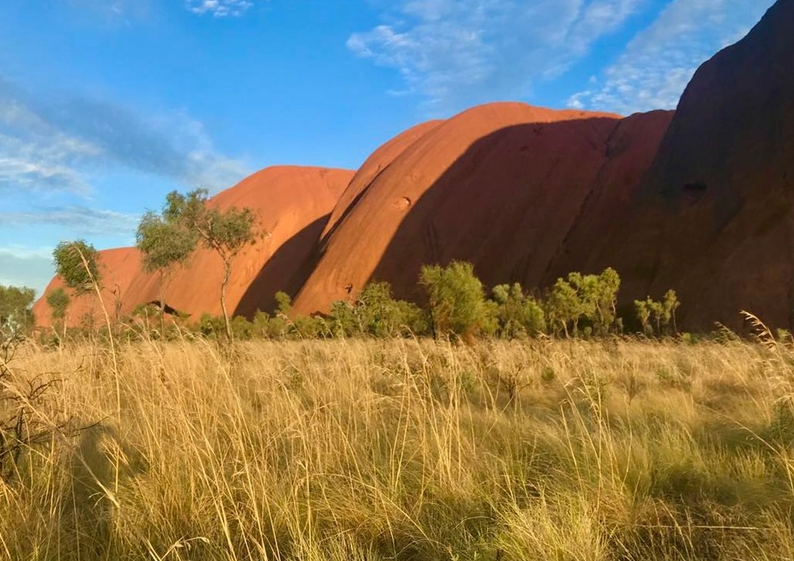
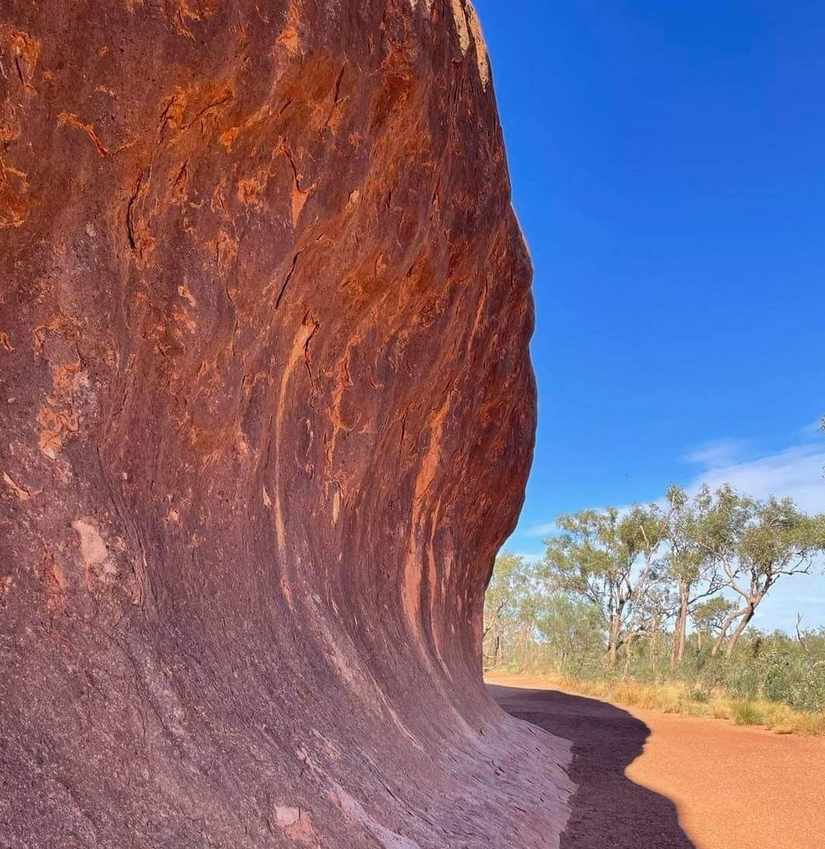
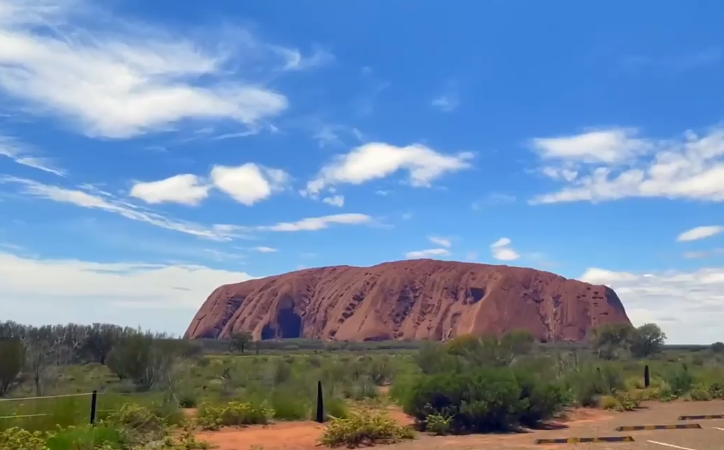
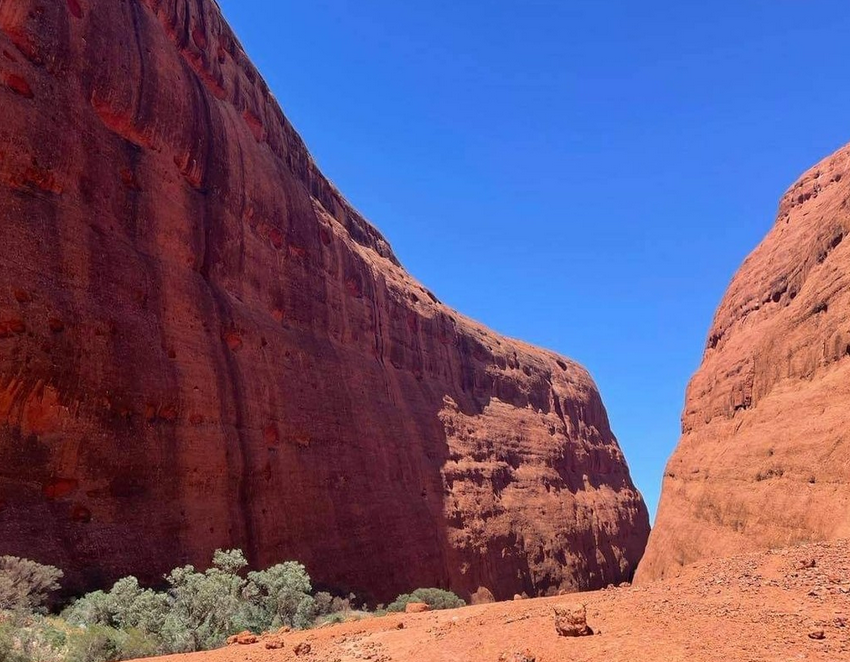
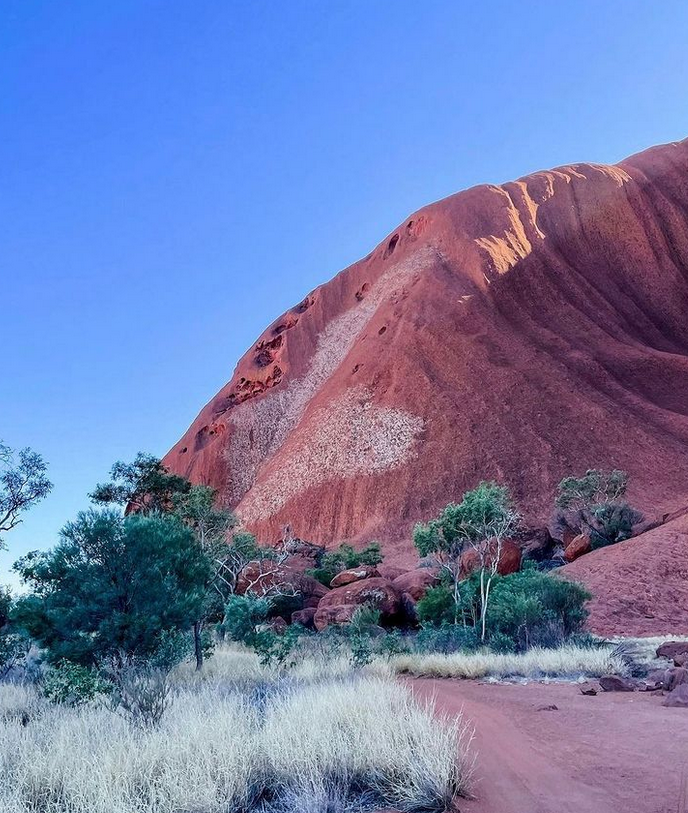
What you can actually see!
Ancestral Beings & Spirits
Ancestors existent within all cultures play important roles not only socially but also spiritually; this is no exception among Aborigines whose system of beliefs holds that ancestral beings are essential components of their cultural lives too. According to these traditions, Uluru represents one such place where these spiritual ancestors reside alongside human beings whom they interact with regularly thus making it a significant site for cultural activities. People believe spirits dwell in rocks like Uluru influencing natural events around them as well as guiding communities through life.
Such spirits often get mentioned during various ceremonies since they form part of what ensures spiritual equilibrium remains intact within any given culture over time – continuity itself becoming impossible without heeding them thus showing respect towards aboriginality rooted deep down inside humanity regardless colour creed race or tribe etcetera.
Sacraments
Uluru ceremonies serve as channels for connecting people’s inner selves (spiritual world) with outer selves (physical world) hence strengthening individual identities together with collective consciousness concerning shared values which act as binding agents among members constituting societies where these practices are observed. Different locations within Uluru have different meanings attached to them during ceremonial occasions; hence each location may attract specific types of rituals based on its significance within the mythological tradition concerned. Through music and dance performance storytelling takes place thereby ensuring that all participants fully understand roles played by various deities as well as myths associated with creation.
Physical Features Legends
Enigmatic Puddles
Legends abound about the waterholes at Uluru. The Aboriginals consider these pools scattered across the rock sacred. Mythology claims they were created by ancestral beings who also designated specific tales and ceremonies for individual ones.
Some accounts associate certain waterholes with rainmakers or mythical creatures which brought life-giving moisture into existence thereabouts; therefore having this supply nearby is seen as both auspiciousness and reminder of ongoing relationship between spiritualism and naturalism.
The Rock’s Shifting Shades
Another aspect adding to mystification regarding Ayers Rock lies in its ability to change colour – most notably during sunrise or sunset periods when different hues can be observed playing out upon its surface due primarily but not solely because of composition combined with interaction between sunlight rays falling upon it. However, in aboriginality circles these alterations are often said to occur as result of actions carried out by certain ancestors who had power over land
The spiritual life and eternal recurrence are reflected in the different shades of Uluru. They’re more than just natural phenomena, these color changes represent parts of a day or steps of an ancestor’s journey and are filled with cultural and religious meanings.
Implications of Modern Tourism
Striking a Balance Between Respect and Exploration
With contemporary tourism, there has gained much visibility for Uluṟu, but at the same time, it creates challenges in respecting Aboriginal beliefs against public interest. So many people have flocked here that now there are various regulations put in place to conserve this area like banning climbing activities as well as establishing awareness programs.
In conjunction with the aboriginal community, Parks Australia has put into effect certain measures to ensure that Uluṟu remains sacred ground. They do this by educating visitors about their customs through guided tours which take them around interpretative centres without intruding upon any scared sites.
Visitors’ Narratives
Many visitors tell stories about what they experienced during their stay at Uluṟu; often emphasizing awe inspired respect for such a holy place. These testimonials help foster international recognition while also enlightening people on how important it is to respect indigenous traditions and protect their heritage sites like Uluru.
According to most accounts, these experiences involve being led on Uluru tour by Aboriginal guides who share knowledge concerning myths associated with particular features of the rock formation known locally as “Uluru”. Such excursions provide deeper insights into cultural contexts around this site thereby encouraging appropriate engagement with it.
Legends That Will Last Forever
Programs Designed To Keep Alive Myths And Traditions
For the Aboriginal people of Australia, keeping alive myths and legends connected with Uluṟuis very important in preserving their cultural heritage. A number of initiatives have been taken towards this end including education packages that target younger generations as well as cultural festivals which celebrate ancient practices associated with places like Uluru.
The Australian Institute of Aboriginal and Torres Strait Islander Studies together with local indigenous communities works towards documenting these cultural activities so as not to lose them forever. This way everyone can access information about what happened where and why therefore promoting further understanding through oral history telling methods.
Educational Initiatives And Heritage Projects
At the heart of any strategy aimed at safeguarding the cultural heritage of Uluṟu is education. Learning centres around Australia provide courses that teach students about aboriginal history, culture, mythology and traditional ecological knowledge systems associated with places like Uluru which have been used for thousands upon thousands of years.
This consciousness also extends itself into other areas such as archaeological conservation where attempts are made at preserving ancient rock art or digging up artifacts linked to this historical period. The main aim behind all these projects is ensuring physical and spiritual legacy protection so that future generations may learn from them and appreciate more about Aboriginal peoples’ rich cultural expression throughout time.
Conclusion
Uluru represents one most enduring elements within aboriginal mythologies besides spiritual traditions still practiced today across many parts of central Australia. Through its myths we gain insight into diverse aspects comprising such a tapestry called “Australian Culture” thereby reflecting on our own deep connections with land here down-under. The ancient ceremonial center remains significant both historically and spiritually speaking since it serves as a focal point for different groups who gather annually during various rituals associated with this sacred mountain – some which were performed there centuries ago while others are still being carried out till today.
Though modern tourism provides new opportunities to share this heritage with the world, it must also be managed carefully in order to maintain the sanctity of Uluru. The mythologies surrounding Uluru will continue to motivate and enlighten future generations on the deep-rootedness of Aboriginal traditions through continued instruction, good tourist behavior and cultural conservation efforts.
FAQs
What is Tjukurpa?
Tjukurpa, also known as Dreaming or Dreamtime, is an important concept in Aboriginal culture. It refers to the stories of creation, laws and morals that explain how the world came to be and what human beings should do. However, this myth does not only talk about gods; it also shows a relationship between men and other people around them, including plants or animals. Therefore, it gives a clue about the unity between man and nature from a spiritual point of view. Also, it informs every aspect of aboriginal life, such as religion and art.
Are any ceremonies open to tourists?
Some traditional ceremonies are allowed to be visited by tourists but usually under control measures set up in order not to disrespect their sacredness rights over these lands will always remain with owners alone who may allow certain persons access them at any given moment depending on various factors including mutual agreement terms reached between parties.
Why does Uluru change colour?
The different colours observed from time to time on the surface of Ayers Rock are caused by fluctuations in sunlight and characteristics of nature rock itself. The sandstone reflects light differently as it has various minerals within its composition such that different shades ranging from deep red through bright orange may be seen depending on the direction of rays falling upon this stone during particular hours.
What can visitors do to show respect for the sacredness of Uluru?
Tourists should follow guidelines provided by Parks Australia and Indigenous communities as signposts towards demonstrating their reverence for the sacredness of Uluru while still enjoying one’s visit.