The Blue Mountains Australia
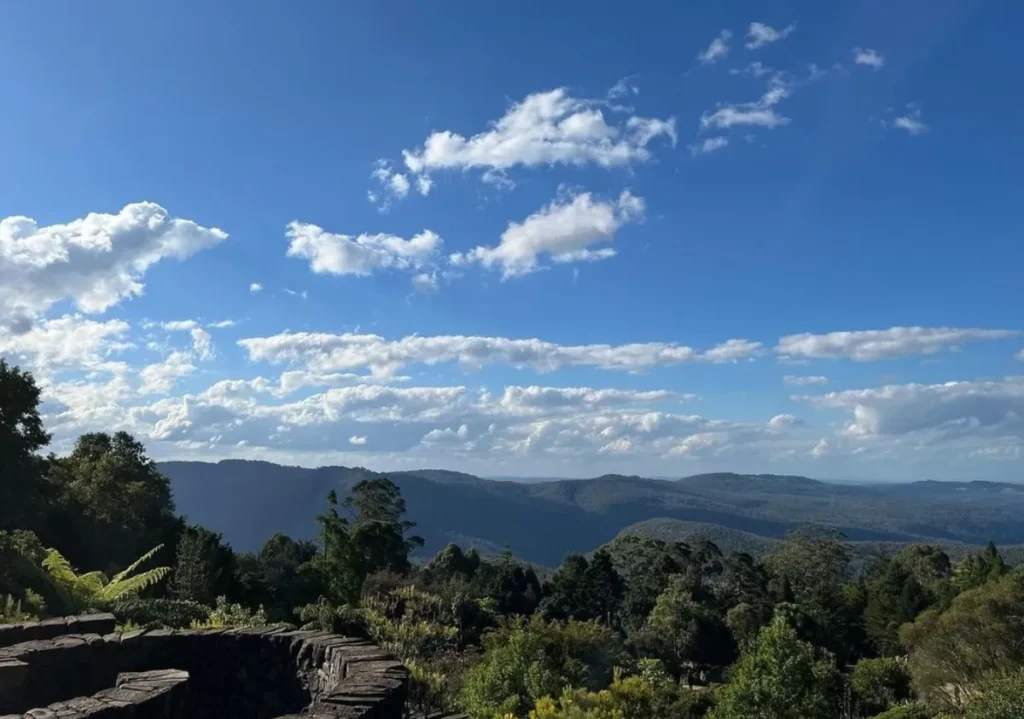
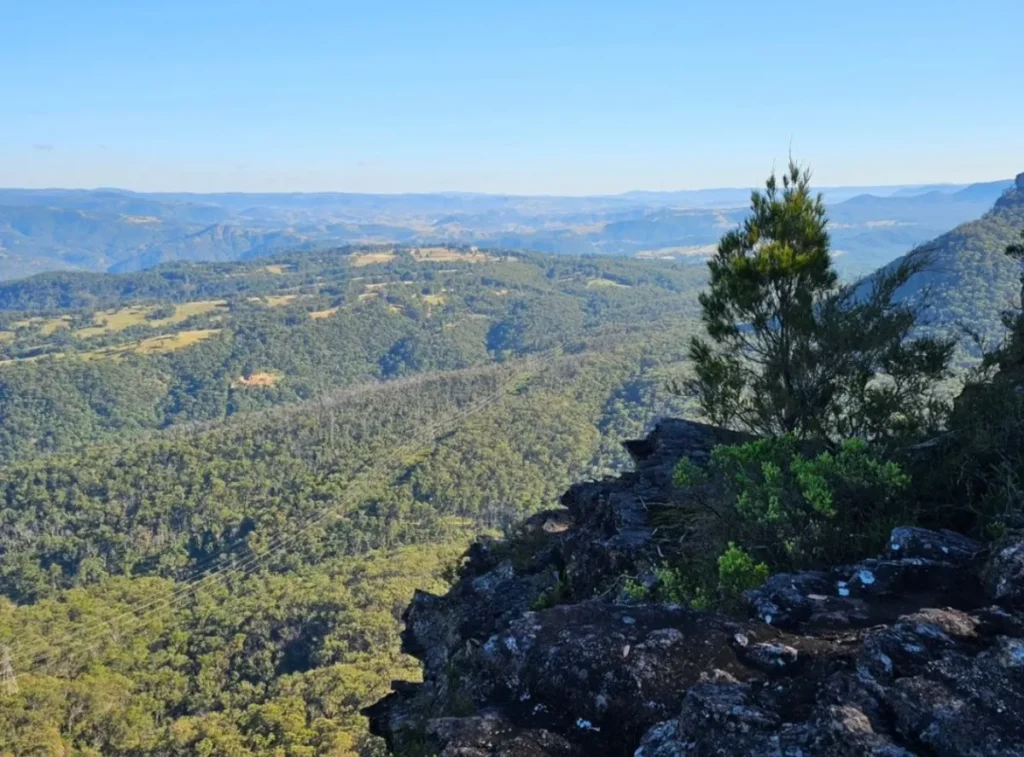
The Blue Mountains National Park is located in New South Wales near Sydney. It is not mountains in the conventional sense: the highest point is Mount Victoria at 1300 metres above sea level, and the rest of the landscape is plateaus, cliffs, and green valleys with rivers and lakes.
The area gets its name from the eucalyptus forests, which form a bluish haze that constantly flows above the ground. There are more than 90 species of eucalyptus trees, most of which are unique – that’s why the air here is exceptional, saturated with essential oils and very useful for the respiratory tract.
How to get to the Blue Mountains
You can get to the national park from Sydney or Canberra. It is more challenging to fly: tickets cost 1277 USD, and flights are not available daily.
There are several ways to get from Sydney to the Blue Mountains:
- the train takes 2.5 hours, and the ticket costs approximately 38 AUD one way;
- the bus takes longer – about 4 hours and costs about 100 AUD one way;
- using a car takes about 1.5 hours.
- Book organized travel Blue Mountains Tours $110-155 AUD
From Canberra to the Blue Mountains, it is about 300 km. You can get there by car (about 5 hours, there are tolls on the motorway) or by train. Trains leave from Canberra Central Station to Glenbrook Station; journey time is 5-6 hours, and fare from 80 AUD one way.
Hotels in the Blue Mountains
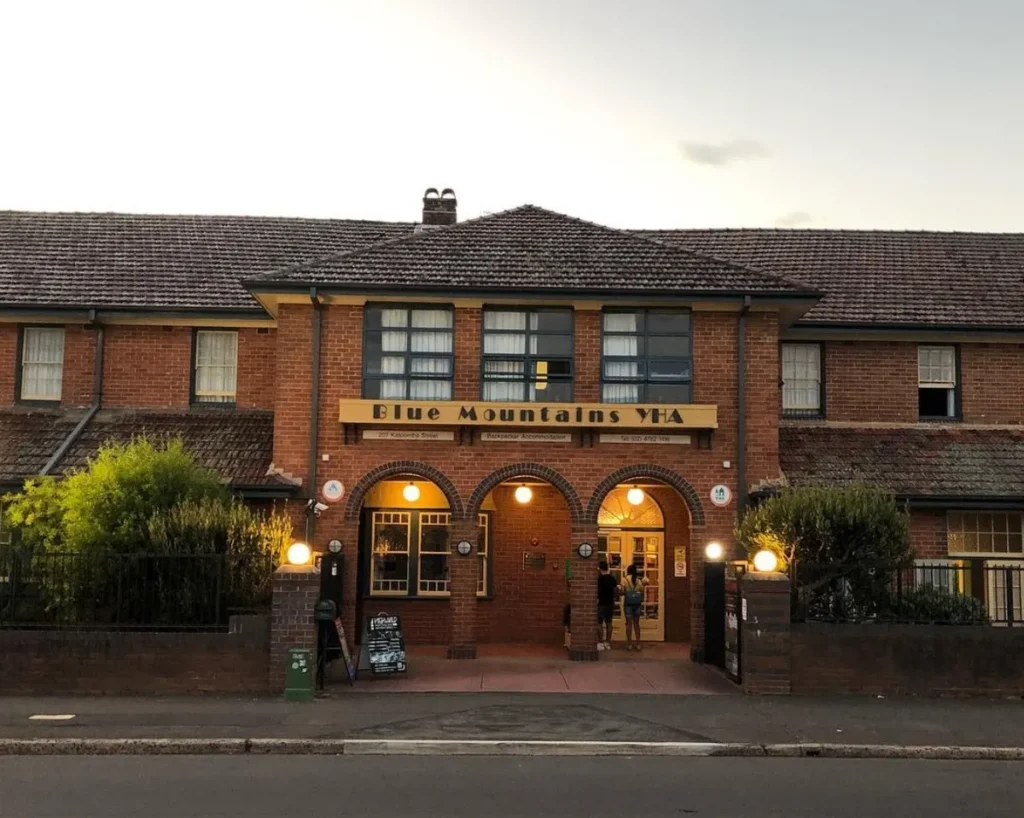
The Blue Mountains is a popular tourist destination, so there are hotels in different price categories on the national park territory. A good “triple” will cost 70-140 AUD per day for a room for two people, a 4* hotel – 150-230 AUD, and a bed in a hostel (there are few of them here) – 40-60 AUD per person.
Entertainment and attractions
The main attraction of these places is the national park itself. Thanks to its diverse eucalyptus forests, it has been declared a UNESCO World Heritage Site. The region has eight protected areas, some of which are closed to the public, but most are accessible to tourists.
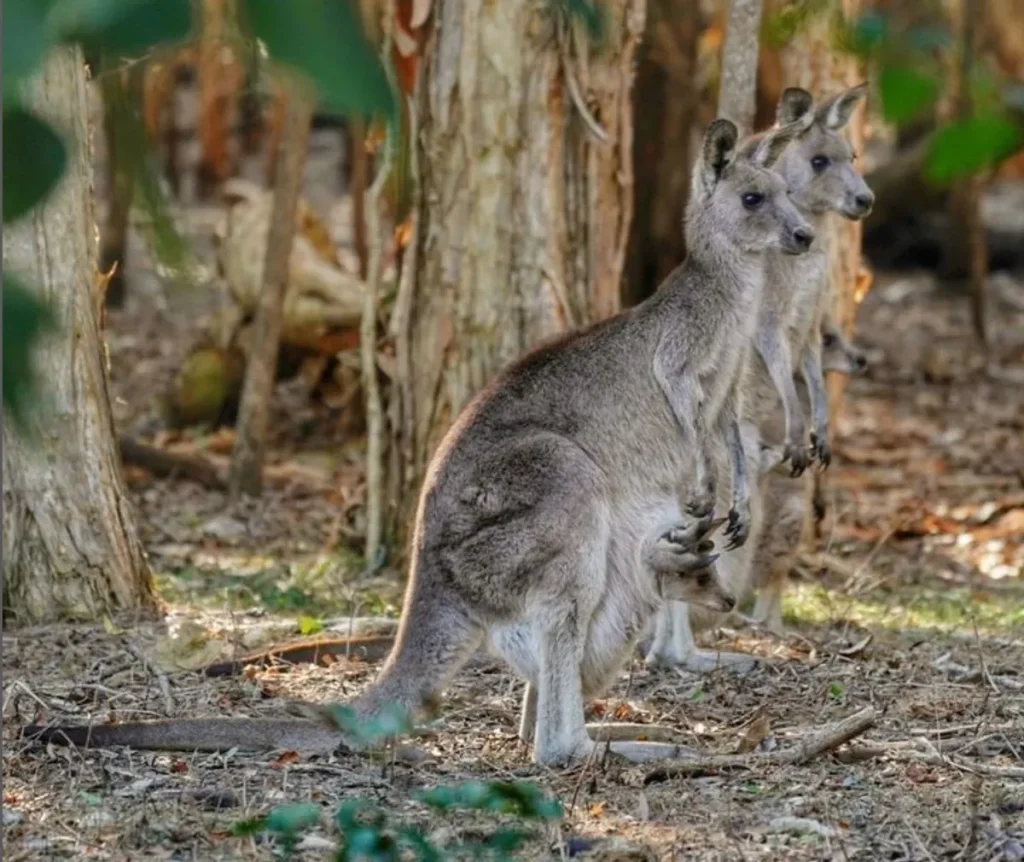
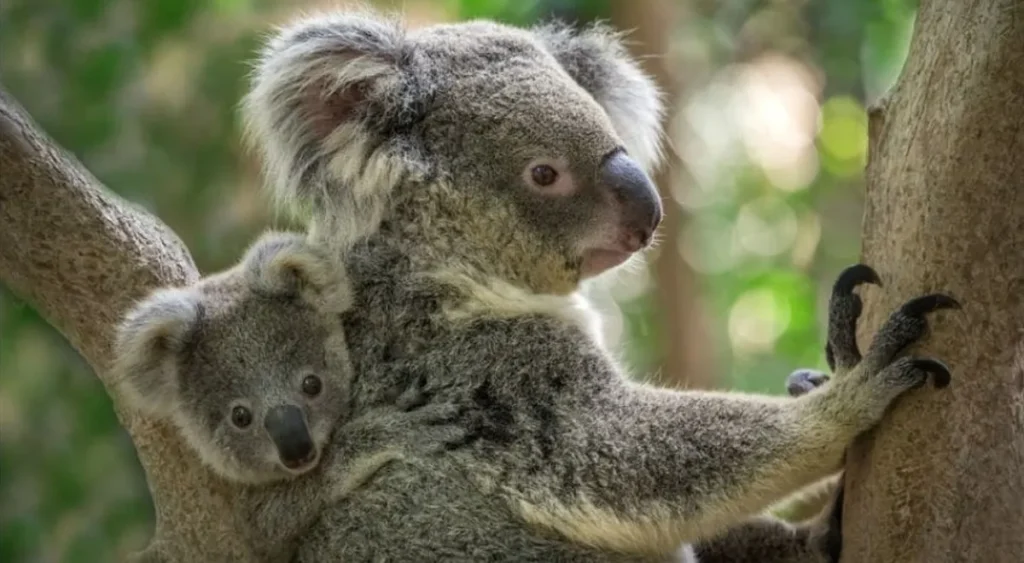
The Blue Mountains are home to various species of animals and birds, including rare ones. Here in the natural habitat, you can meet grey and mountain kangaroos, ring-tailed possums, marsupial marten, voles, koalas and many others. There are many interesting birds in the forests of the Blue Mountains, such as the cave warbler, which is only found here. It is a small grey bird of the passerine family and can be easily recognised by its specific loud singing.
In the Mount Toma Botanical Garden, you can see a special ancient pine tree. This species has been preserved here since the Jurassic period.
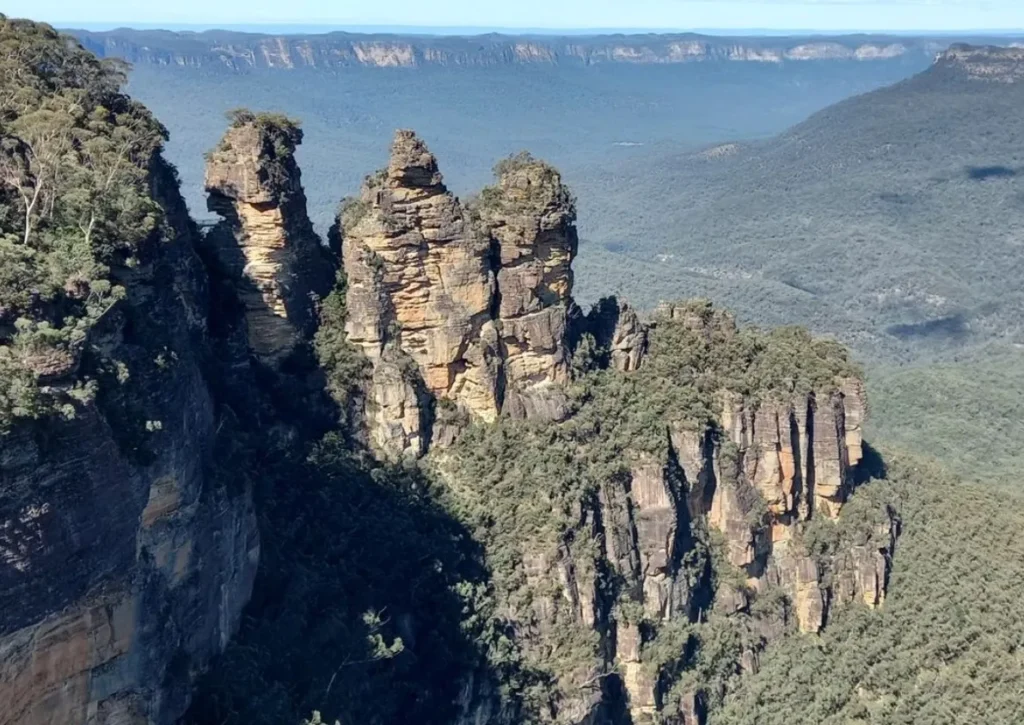
Several observation platforms in the park offer an incredible view of the Three Sisters Rocks. By the way, it is also possible to climb these rock formations – on a giant staircase of 800 steps. There are caves on the park’s territory; in one of them, you can see the aboriginal camp, which is more than 12 thousand years old; on its walls is preserved ancient aboriginal rock art. It is also worth visiting underground caves with stalactites and stalagmites, beautifully illuminated by natural light.
The national park can be explored on foot and by transport: a chain of 18 motorways and excursion trails. You can ride on them:
- by car,
- the train, which follows the old route from Bell to Lithgow,
- the cable car between the cliffs,
- on a mountain bike, which can be hired.
Cafes, bars and souvenir shops are abundant on all the hiking trails.
Visit the Blue Mountains between June and August. You can catch the local Christmas celebrations and sample national specialities such as roasts and puddings, while every Saturday is sale day when you can buy antiques and handmade souvenirs.
If you want to know more about tours from Sydney visit the Sydney Tours page.