
The 13 Best Sights in Australia
Whether you want to visit sublime natural wonders or tropical forests, vast savannahs, dream beaches or coral reefs worth seeing, the ‘Land Down Under’ has it all. A single holiday in Australia full of incomparable attractions is probably not enough. We have put together a selection of interesting places and give you an overview of the best sights in Australia.
The Europeans arrived 400 years ago, but the Aborigines have lived here for thousands of years. If you visit the glowing red Uluru or the legendary Kings Canyon, you will understand why these places are sacred to the Aborigines. Not only koalas and kangaroos, but countless animals and plants can only be found in Australia. The fragile Great Barrier Reef and the sandy Frazer Island are particularly precious. At 7.7 million square kilometres, Australia is huge. Of course, most of the 25.4 million inhabitants live on the coast, while the outback is almost deserted. Melbourne and Sydney are cosmopolitan and metropolitan. The southern continent has its charms in all seasons; the climate is tropical, subtropical or temperate.
Opera House: Unique opera house in Sydney

- Origin: 1959
- Must do: Boat trip
- Best time to travel: October to April
The fanned-out façade of Sydney’s legendary Opera House is reminiscent of huge, billowing sails or open mussel shells. Designed by Danish architect Jørn Utzon in 1959, this UNESCO World Heritage Site has a timeless look and is Sydney’s undisputed flagship right on the waterfront. From the ‘Pylon Lookout’ you have a priceless view of the Opera House, the huge Harbour Bridge and the harbour. Travelling past on the ferry will make you feel like the adventurous immigrants who sought freedom here.
Great Barrier Reef: largest coral reef in the world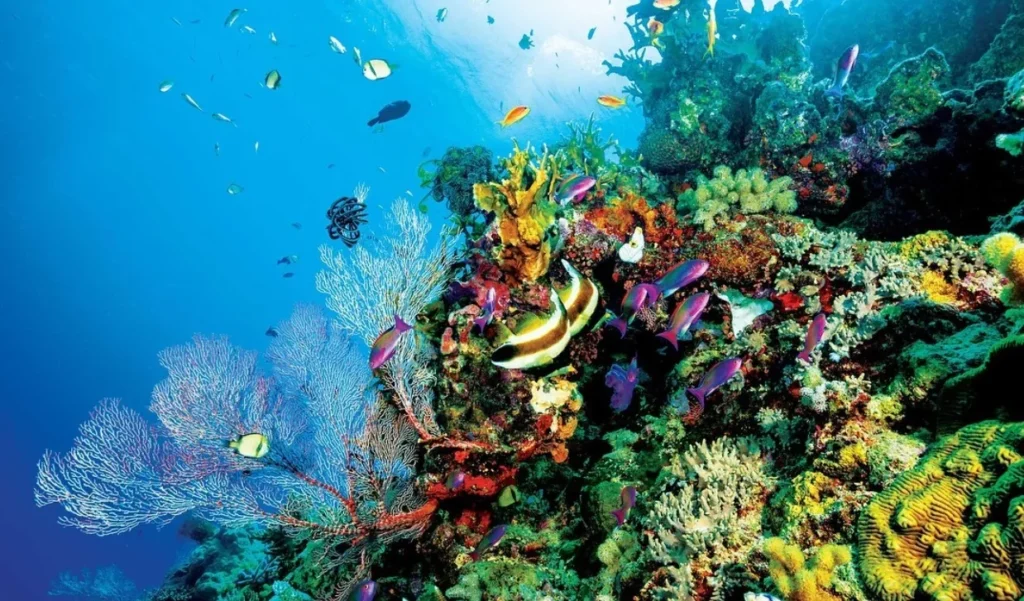
- Area: 34,870,000 hectares
- Must do: Dive
- Best time to travel: April to October
The 2,300-kilometre-long Great Barrier Reef stretches colourfully underwater. Countless species of fish, sea turtles, manta rays, and the colourful algae essential for survival coexist with the corals. Careful, gentle behaviour is, therefore, absolutely essential in this sensitive ecosystem. Coral bleaching has already occurred in some places. These paradisiacally colourful coral gardens off the coast of Queensland are a must-see, and not just for divers and snorkelers. Picturesque beaches on the atolls invite you to swim. Cairns, Mission Beach and Townsville are excellent starting points for exploring the reef.
Blue Mountains National Park: Blue shimmering World Heritage Site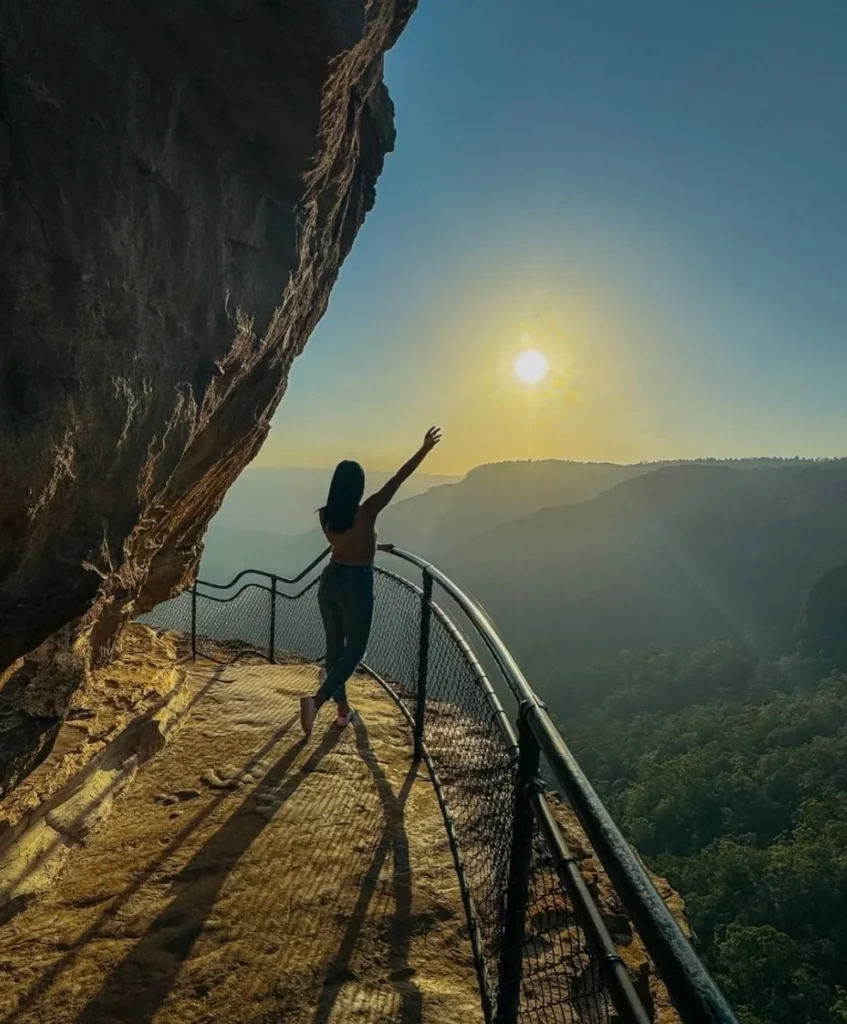
- Area: Approximately 247,000 hectares
- Must See: Three Sisters
- Best time to travel: September to May
Did you know that eucalyptus trees produce an essential oil vapour that gives the Blue Mountains their name? This sandstone plateau rises west of Sydney, where rivers have carved deep gorges. Rugged rock needles protrude from the landscape. The 90-meter-high Three Sisters are said to be petrified virgins. They were transformed by their father to be safe from the “Bunyip”, a swamp creature. The Wentworth Falls plunges 300 meters into the depths: you can conquer the mountains on hikes, by bike or with the “Scenic Skyway” cable car.
Great Ocean Road: Legendary coastal road in the south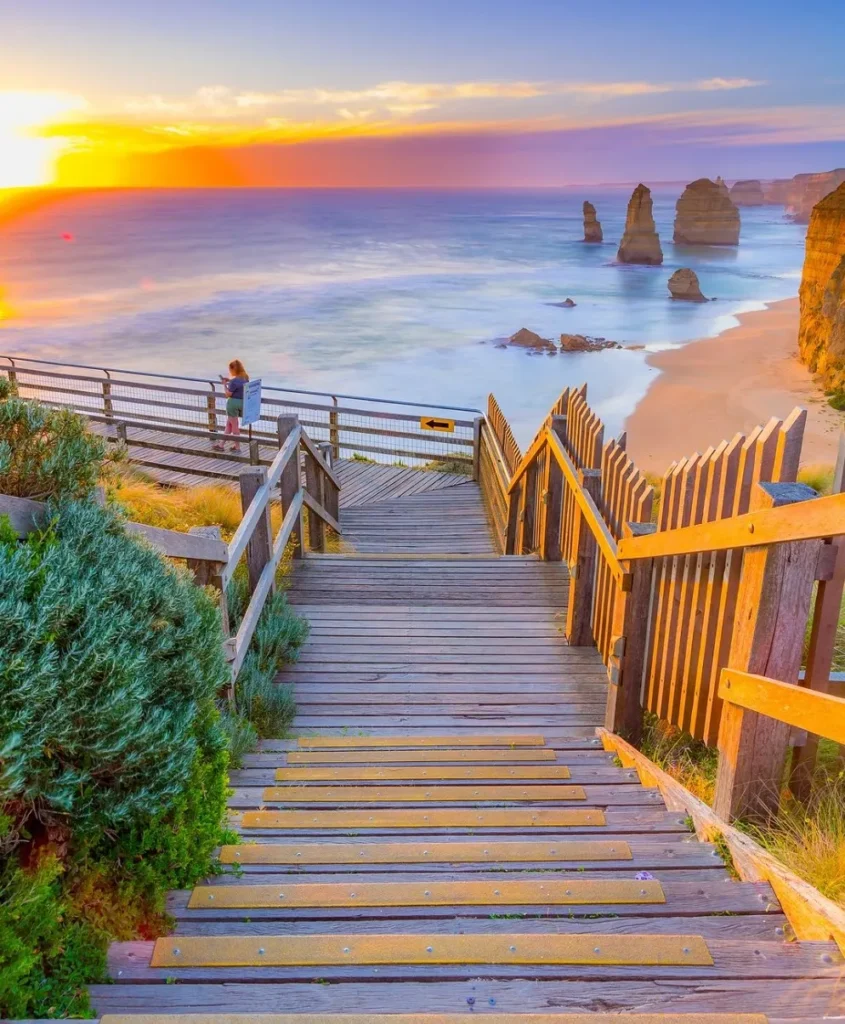
Also interesting: Twelve Apostles: Gigantic rock towers in the ocean
- Length: 243km
- Must See: Twelve Apostles
- Best time to travel: October to April
The fascinating Great Ocean Road begins not far from Melbourne. Here, in Victoria, you can see all the facets of Australia in a small space: the jungle, magnificent beaches, koalas and even penguins if you are at the Twelve Apostles at sunset. These 60-meter-high rock towers were left behind by the merciless surf as they eroded them. Hurry up, there are fewer and fewer of them, and sometimes one collapses! From the platforms, you have a colossal view. Do you want to be alone? Get up early and experience the sunrise – unforgettable!
Whitsunday Islands: Paradise beaches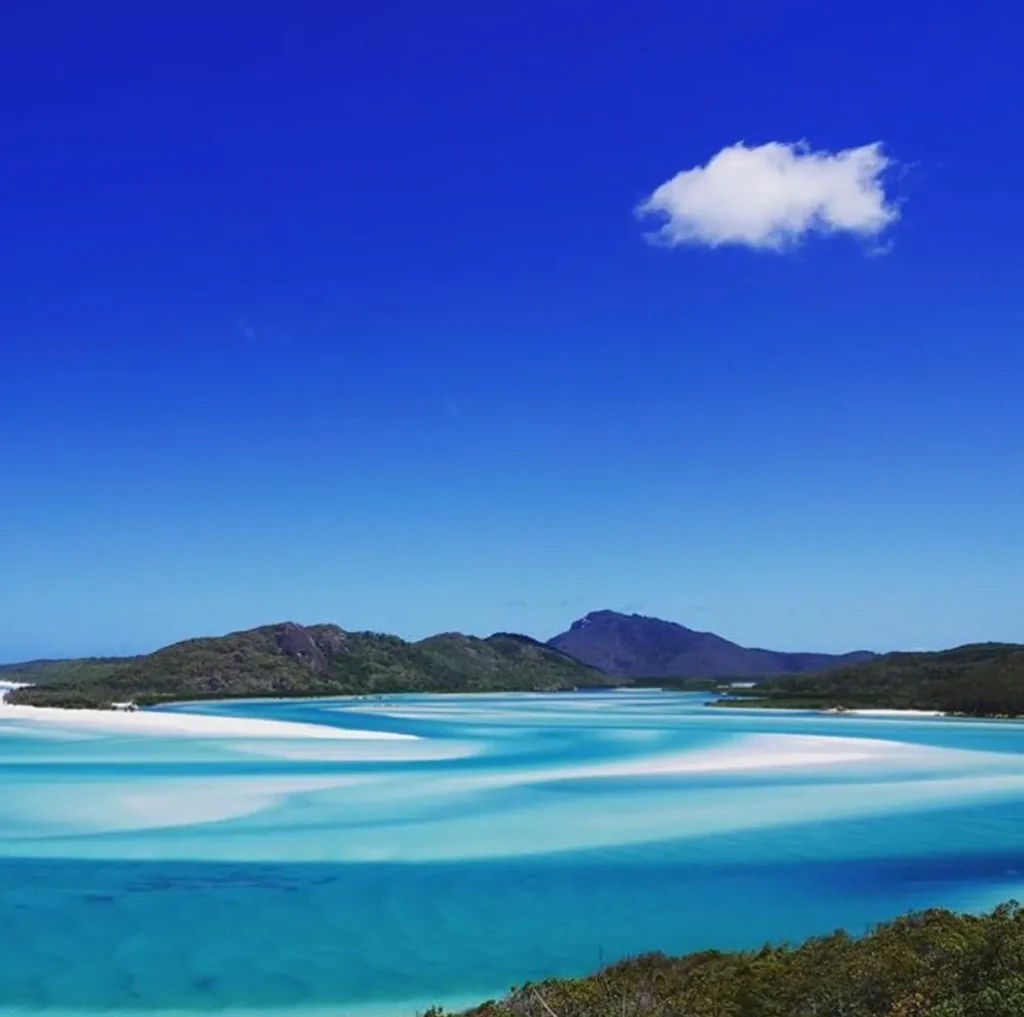
- Area: 10,900 hectares
- Must See: Whitehaven Beach
- Best time to travel: September to May
Airlie Beach in Queensland is the gateway to the Whitsunday Islands. Get ready for enchanting tropical islands with magnificent coral reefs! 74 paradises await you, only a handful of which are inhabited. Imagine white sandy beaches, palm trees behind them, the jungle rising inland: Whitehaven Beach is considered one of the most beautiful beaches in the world. Whether on boat tours from the mainland, by sailboat, snorkeling, hiking or diving: the Whitsundays glitter like emeralds in an azure blue sea. The Great Barrier Reef offshore breaks the high waves.
Uluru: Australia’s magical island mountain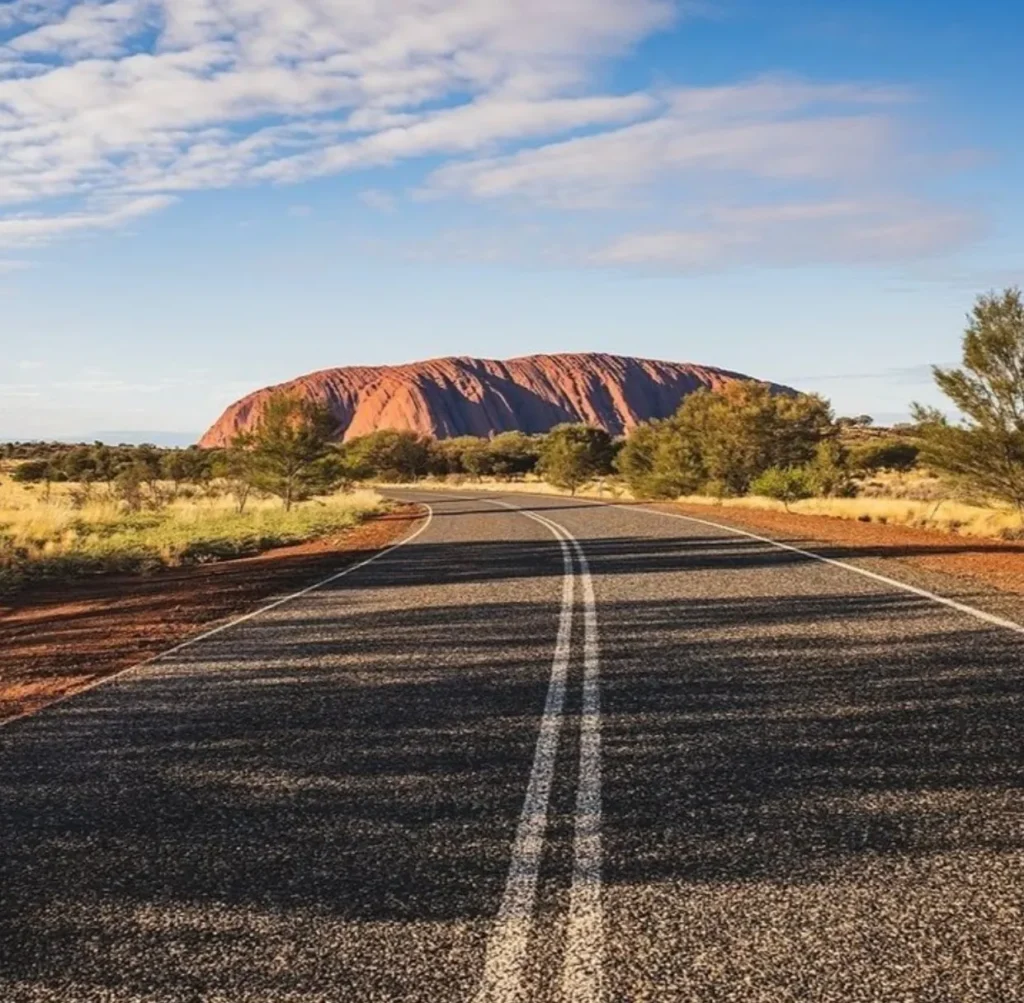
- The highest point: 863 metres
- Must do: Circular hike
- Best time to travel: All year round
Uluru towers over the vastness of the Australian outback in a blood-red colour that takes your breath away. At sunset, travellers make a pilgrimage to the 348-meter-high mountain and watch its colour change from ochre to red to grey. This inselberg was formerly known as Ayers Rock and is sacred to the Aboriginal peoples: it may not be climbed. Walking around the stone monolith is an experience that is as awe-inspiring as it is strenuous. The mountain is actually not really alone because 35 kilometres further west, the 36 magnificent rock domes of Kata Tjuta, also a UNESCO World Heritage Site, beckon.
Melbourne: Multicultural city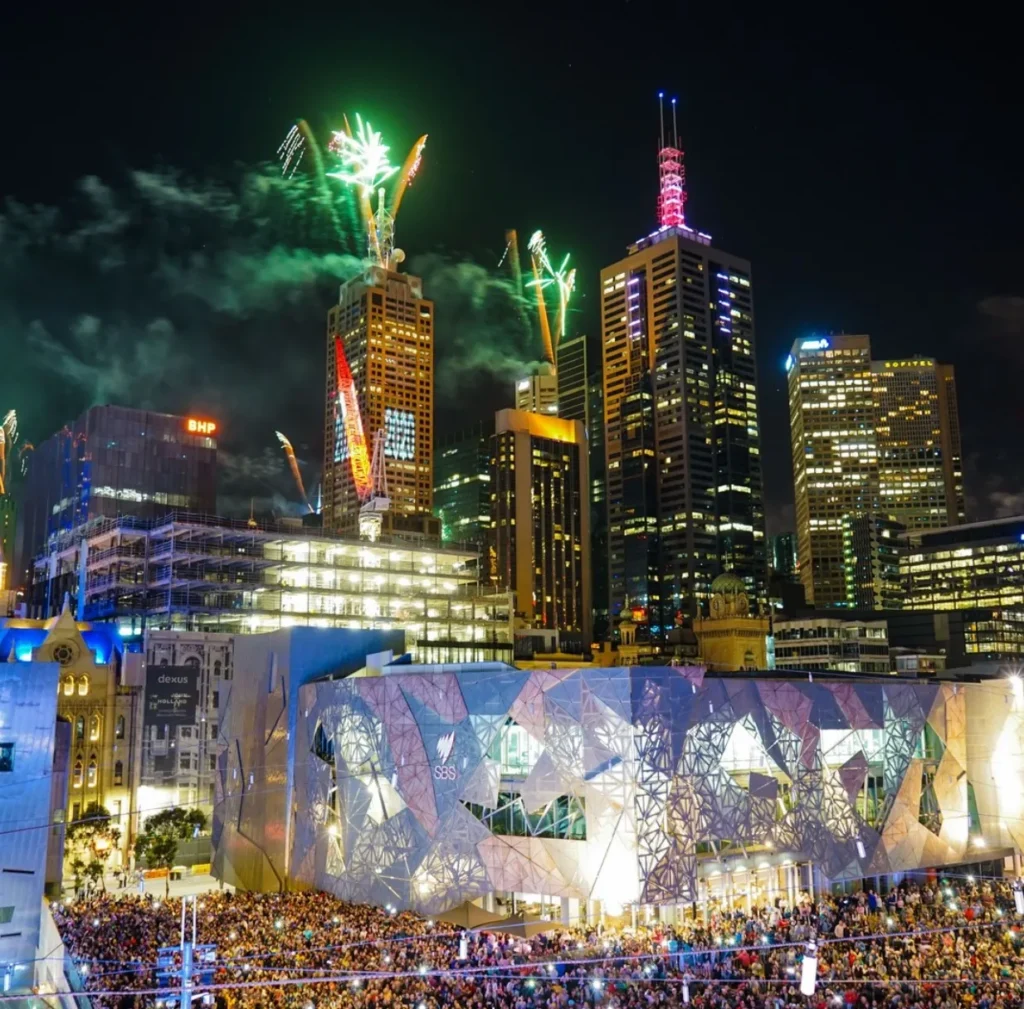
Resident: Approx. 5.1 million
Must See: Federation Square
Best time to travel: September to March
Melbourne, the metropolis of the south, stretches out across a wide bay. With five million inhabitants, it is Australia’s largest city, just ahead of Sydney. Culture, vitality and activity pulsate here. You can experience all of this in one place at Federation Square. Facades glittering with crystals or glowing in all shades of green compete for your attention. The panorama of this cosmopolitan city is breathtaking from the Skydeck on the 297-meter-high Eureka Tower. Dare to go to “The Edge” – the frosted glass panels on this platform become transparent at the touch of a button!
Fraser Island: Natural paradise on sand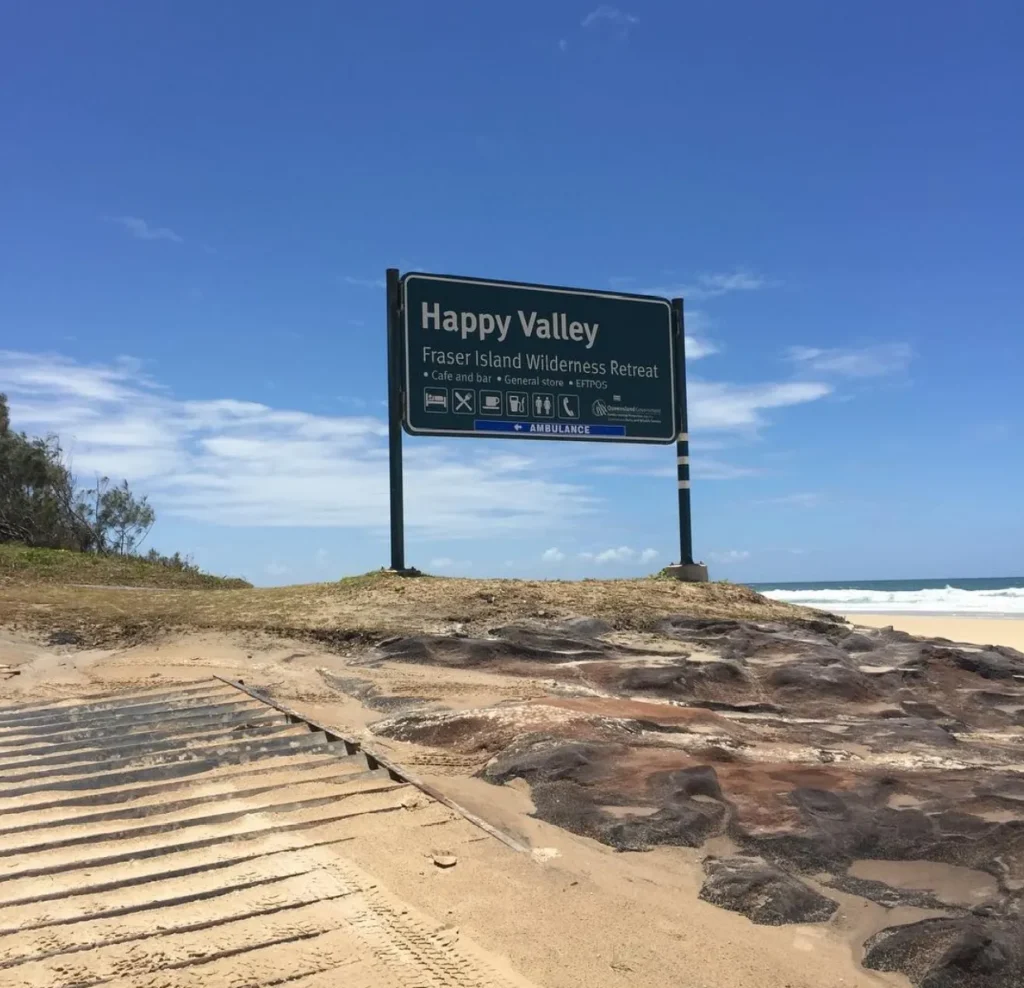
- Resident: 184,000 hectares
- Must See: Mount Bowarrady
- Best time to travel: November to March
Fraser Island stretches off the coast of Queensland, in the Aboriginal language “K’gari” – paradise! The largest sand island in the world is 120 kilometres long. There are no paved roads here, but there is a sandy beach you can drive to in an off-road vehicle. The best way to explore the unique rainforest on loose sandy soil is on long hikes. There are countless picturesque sandstone formations and tempting freshwater lakes here. The most impressive of the many dunes is called Mount Bowarrady, which is 240 meters high.
Kakadu National Park: World Heritage Site with ancient rock paintings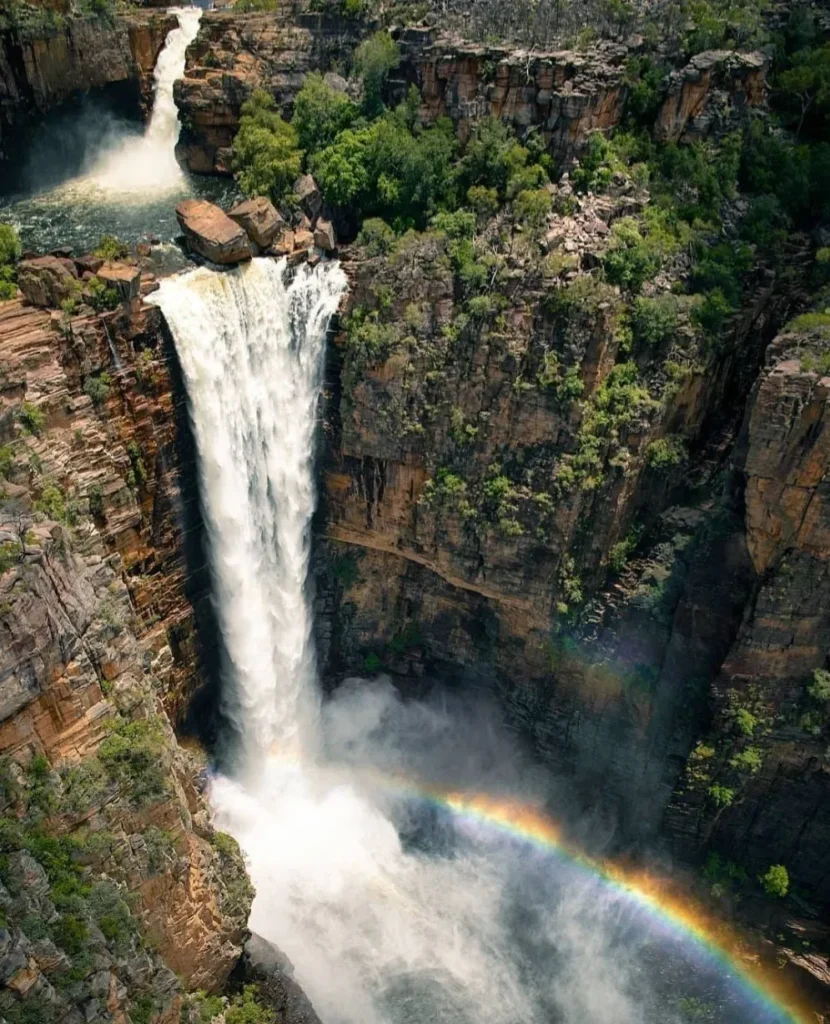
- Area: 1,980,400 hectares
- Must See: Nourlangie Rock
- Best time to travel: May to September
If you are interested in Aboriginal rock paintings that are up to 10,000 years old, Kakadu National Park in the Northern Territories is the place for you. Nourlangie Rock, with the famous “X-ray man” and the mysterious paintings on Ubirr Rock, is open to tourists. The indigenous people know best what these paintings tell us. They are also happy to take you to less visited spiritual places. Cockatoos and many types of kangaroos can be found in the wetland with its billabongs, the waterholes. But there are also freshwater and saltwater crocodiles, so please do not swim in the rivers!
Also interesting: If you like waterfalls, lush vegetation and lots of wildlife, we recommend our Kakadu National Park tour.
Daintree Rainforest: Enchanting fairytale forest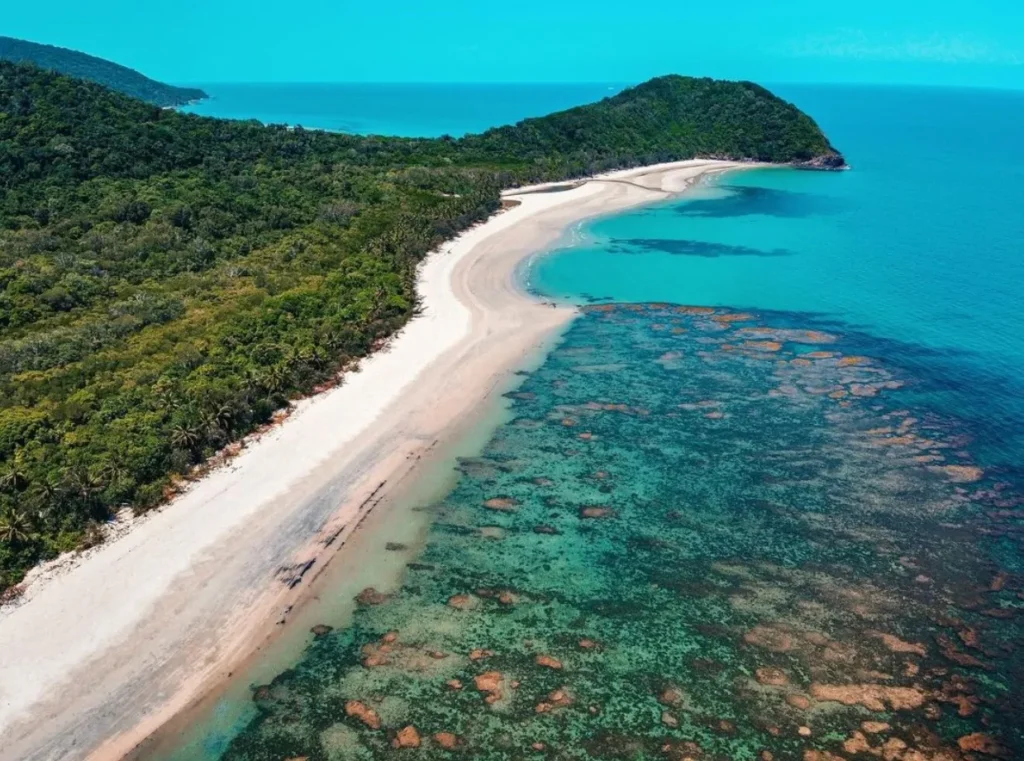
- Area : 77,200 hectares
- Must See: Mangrove forests
- Best time to travel: June to October
Rivers glitter in the sun and are lined with tropical forests: the Daintree Rainforest National Park. It is located 100 kilometres northwest of Cairns. This UNESCO World Heritage Site was only saved from large-scale deforestation in the 1980s by committed environmentalists. This gem, with its giant trees, strong lianas, man-sized ferns and extensive mangrove forests, lies between the Daintree River and the coast of Queensland towards Cape Tribulation. No wonder: the filmmakers of the film “Avatar” were inspired by this pristine landscape.
Bondi Beach: Sydney’s hip beach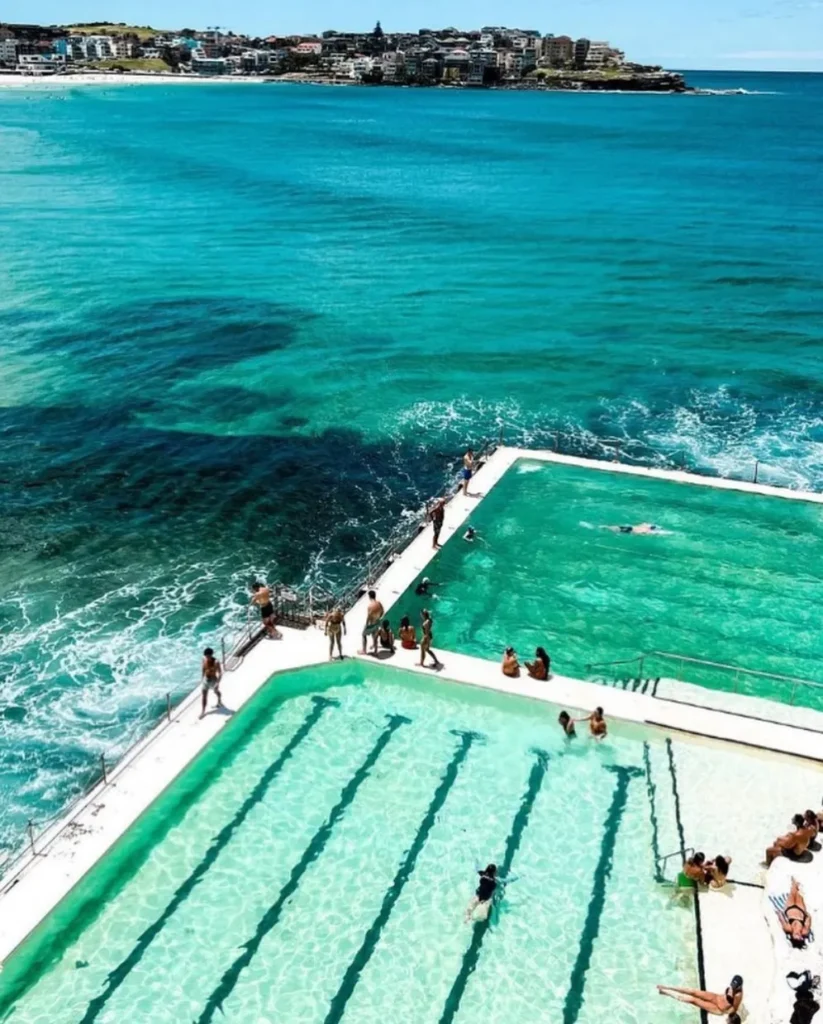
- Length: 1.2km
- Must do: surfing
- Best time to travel: October to April
Sydney, the capital of New South Wales, stretches directly along the Pacific coast. Many great beaches are here, but Bondi Beach is a legend. Eight kilometres from the city centre, you can enjoy first-class surfing, swimming and the fresh breeze. It’s easy to get here by bus, but the beach is where cool is. The whole of Sydney meets in the lounges and bars, locals and tourists alike. Bondi Beach is a national heritage site and a must-see!
Kings Canyon: Truly royal canyon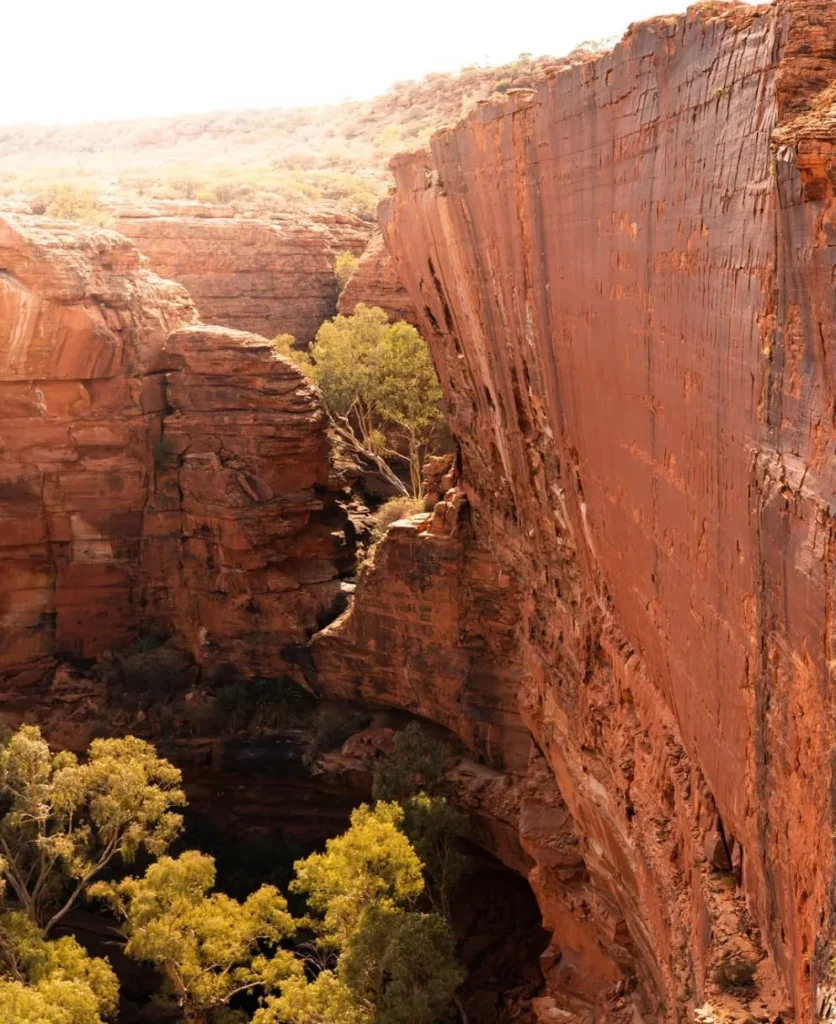
- Depth: Up to 270 meters
- Must do: Kings Canyon Rim Walk
- Best time to travel: June to September
In Watarrka National Park, deep in the heart of Australia, lies one of the most majestic canyons on earth. A huge, gaping gorge of reddish rocks opens up to you 420 kilometres southwest of Alice Springs. You can conquer this monument, formed by wind and water, on the “Kings Canyon Rim Walk.” You should get up early for the four-hour circular hike, as it can get very hot in the summer months. Unique views open up to you that you will carry in your heart forever.
Tasmania: Fascinating wilderness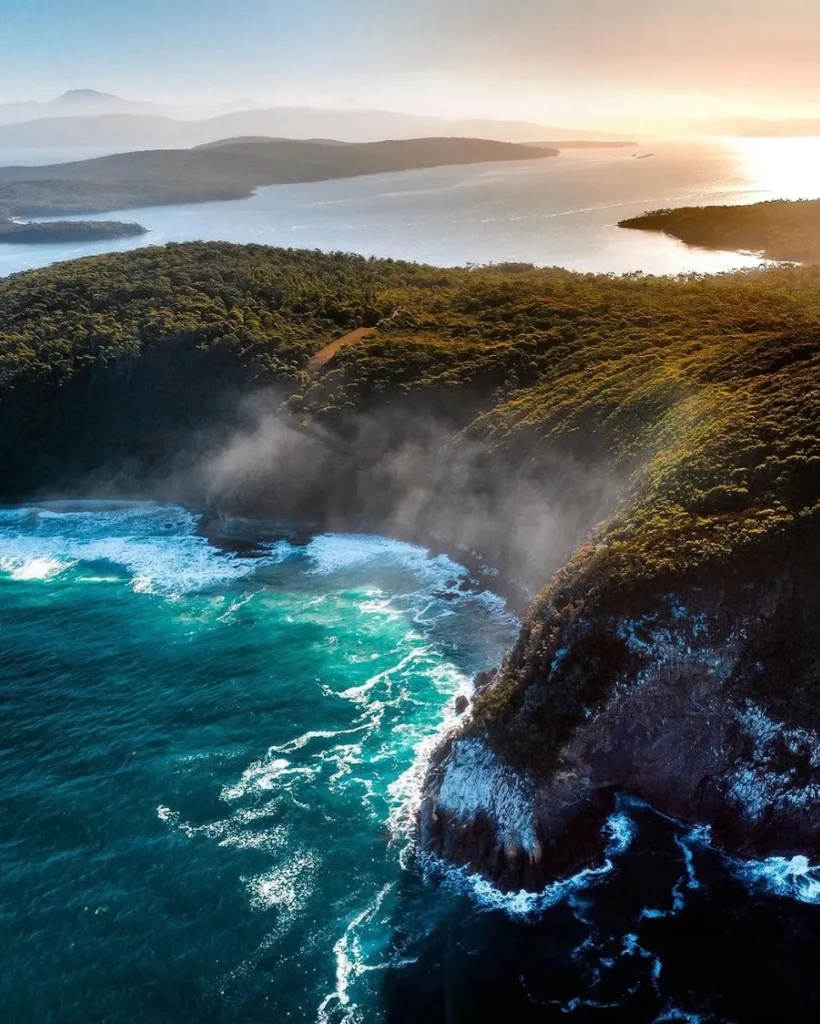
Also interesting: Wineglass Bay in Tasmania: The most beautiful beach in the world
- Area: 6,840,000 hectares
- Must do: Overland Track
- Best time to travel: December to February
The island of Tasmania is part of Australia and yet completely different from the land mass 240 kilometres away to the north. It is much cooler here, but nature is just as breathtaking and isolated. The elegant, multi-pointed peak of the 1,664-meter-high Cradle Mountain is reflected in Dove Lake. The Tasmanian wilderness is a UNESCO World Heritage Site. You can explore it on the famous Overland Track, which runs 80 kilometres through the country’s interior. In the jungle, you might even encounter a Tasmanian devil, a marsupial. Binalong Bay, with its orange rocks, is also absolutely worth the trip here.
Other destinations nearby
Did you know? Australia is ideal for long-term travel, for example, for work and travel or for a sabbatical. You can reach the continent in the southern hemisphere nonstop for at least 21 hours. A visa is required. It is worth renting a car on-site, but public buses also take you to many destinations. A good option is to join tours that are offered locally. Australia has weathered the pandemic well, but please note the special Corona rules!

So you’re wondering what the best way to clean solar panels at home is? Well, you’re not alone. At Window Cleaning Melbourne Crew, we get
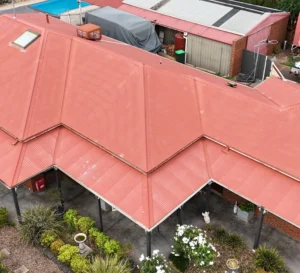
We size up the spray-on roofing. Is it any good? I’ll tell you straight — spray-on coatings can save a tired roof but only when

Eyelash extensions are a booming industry in Australia with beauty enthusiasts wanting to start their own business or add to their salon services. Completing an

In the heart of the Blue Mountains National Park, Mount Wilson is a secret gem in the Blue Mountains of NSW. With breathtaking views, exotic
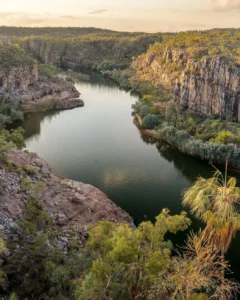
Katherine Gorge in Nitmiluk National Park in the Northern Territory is famous for its rugged landscapes, gorges and sandstone walls. One of the most visited

Is a Lip Tattoo Worth the Investment? Lip tattoos, especially lip blush tattoos, are becoming a go to for those who want to enhance their