
We size up the spray-on roofing. Is it any good? I’ll tell you straight — spray-on coatings can save a tired roof but only when the roof structure, prep work and weather align. Spray-on roofing isn’t a magic fix. But under the right conditions, it can create a waterproof layer, boost energy efficiency, add UV resistance and delay the cost of a full roof replacement. Let’s get into the real-world truth — not brochure talk.
What Liquid-Applied Roofing Can (And Can’t) Do
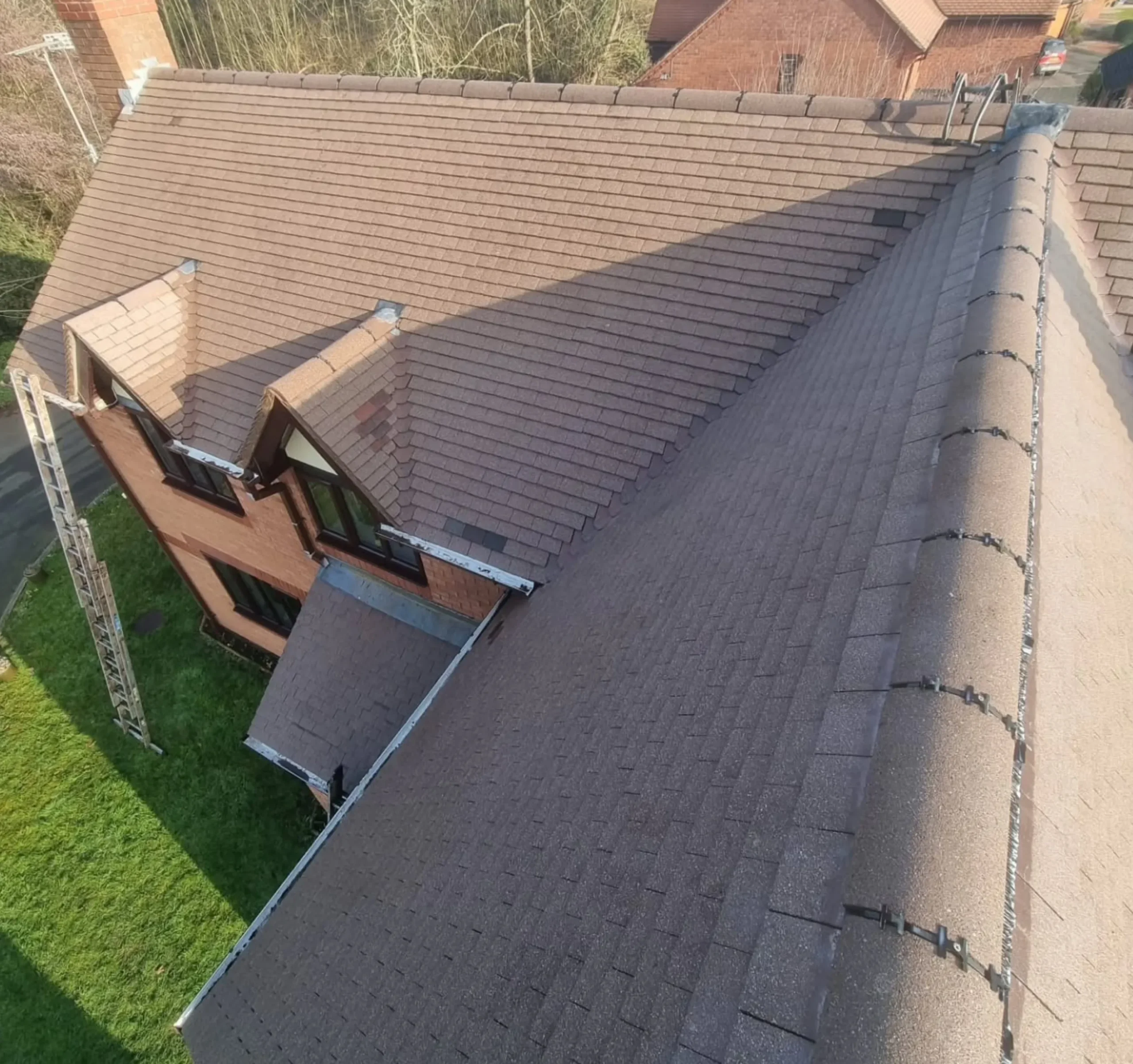
Spray on roofing sits between roof paint and a complete roof coating system. Whether it’s an acrylic membrane, a silicone-based coating, a liquid roofing product, or a spray roof sealant, the idea is simple: create a seamless protection layer that sheds water and withstands UV.
A good system aims to:
- Provide a flexible waterproof layer
- Seal tiny leaks
- Improve UV resistance and slow ageing
- Cover small imperfections in older tiles
- Boost solar reflectance for small energy savings
- Delay a full roof replacement
Some systems use polyurethane foam or spray foam insulation underneath for insulation value, but most Melbourne homes stick to surface coatings rather than structural foam.
But one thing spray-on products will never do?
Fix broken tiles, slipped ridge caps, rust holes or failed flashing. That’s old-fashioned roof repairs territory.
When Roof Coatings Do Their Job
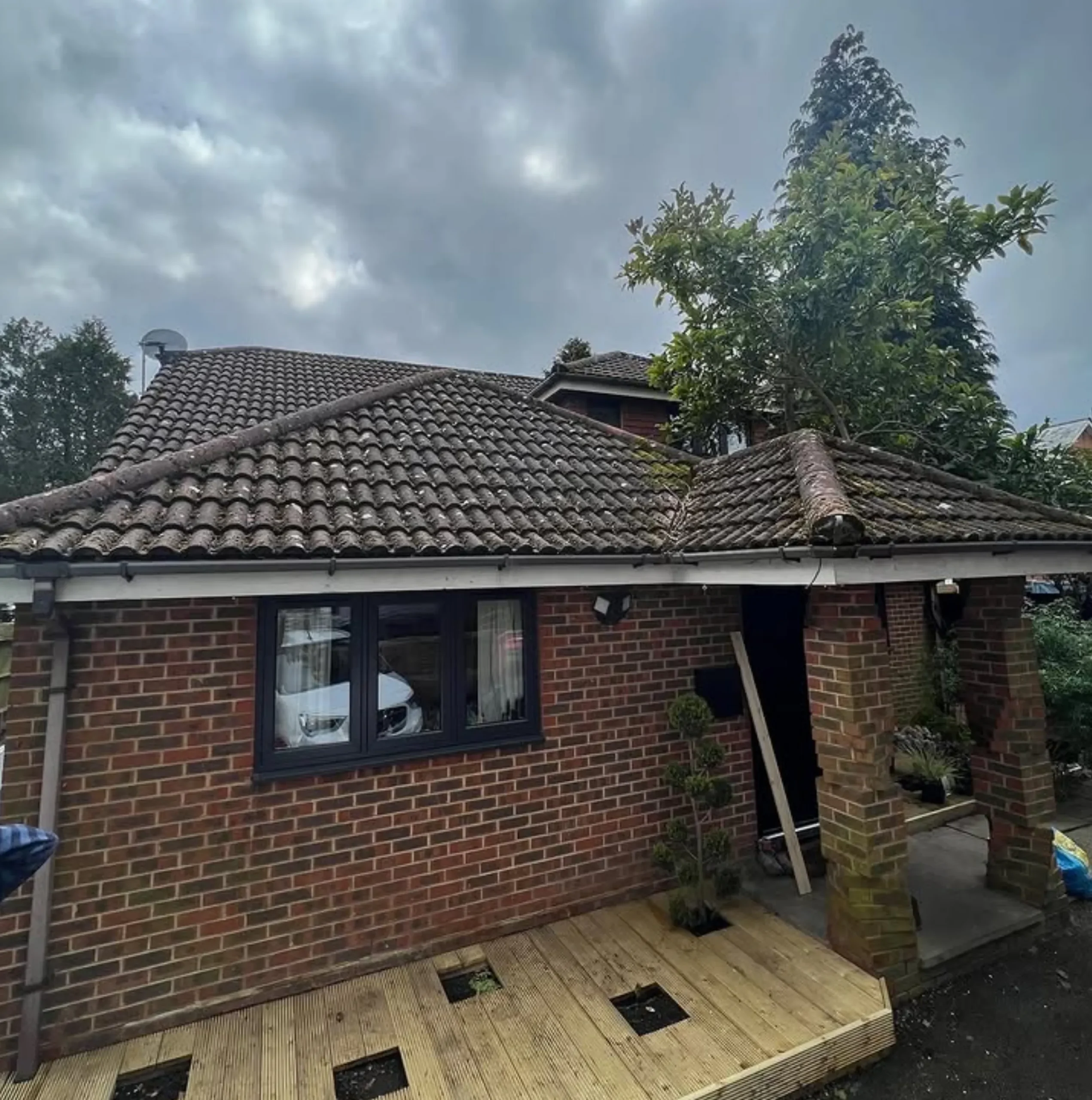
Spray-on coatings can be a smart option when the underlying roof systems are sound. Here’s when we’ve seen them work a treat:
Solid Concrete Tiles With Ageing Colour — Concrete tiles fade under Melbourne’s infrared radiation and UV load. A spray coating refreshes colour and adds resistance.
Terracotta Tiles With Light Surface Wear — Terracotta is porous and attracts lichen. With proper prep — pressure washer, detergent, mildew treatment — coatings bond well.
Homes With Solar Panels — Spray coatings reduce heat transfer and improve solar panel efficiency slightly through higher surface reflectance.
Microscopic Leaks and Hairline Cracks — Most membrane paints and silicone-based coatings can bridge tiny cracks.
Coastal Salt Zones — Modern coatings help slow salt corrosion.
When a Roof Coating Won’t Deliver Value
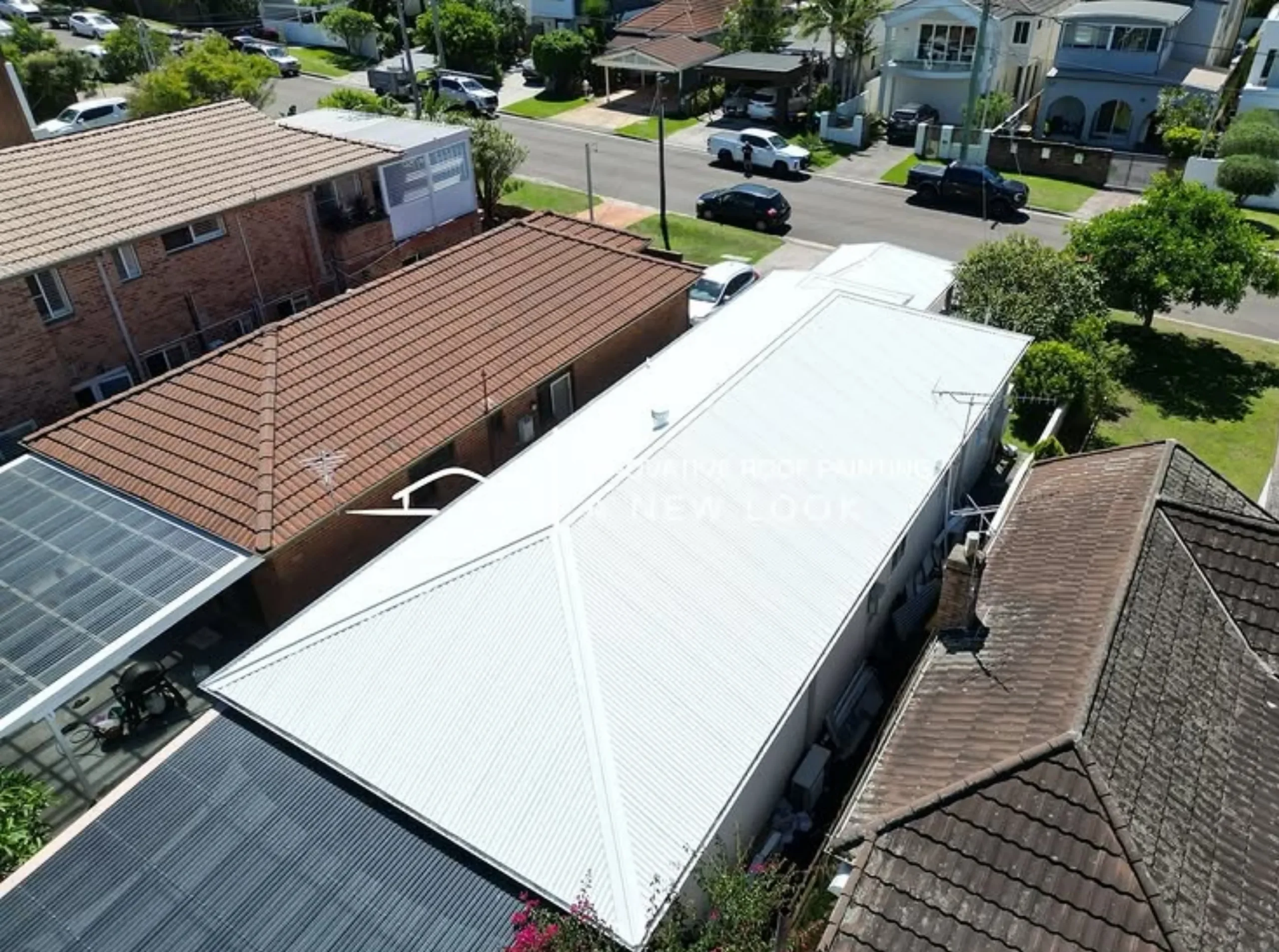
Here’s the truth: a spray-on product fails fast when applied to a roof that’s already on its last legs.
Cracked Tiles or Loose Ridge Caps — Spray can’t fix structural issues.
Rusty Metal Roofs — Rust must be removed or the coating will peel.
Poor Surface Prep — Moss, dust and chalky residue prevent adhesion.
DIY Roofing Spray Kits — Hardware-store spray kits are not suitable for long-term results.
Spray-on roofing isn’t a band-aid — it’s a finishing layer.
True Roof Coating Lifespan
Manufacturers claim “up to 15 years”, but Melbourne’s UV, temperature swings and storms give more realistic numbers:
| Material | Climate Impact | True Lifespan | Notes |
| Concrete tiles | UV + storms | 6–8 years | Best coating performance |
| Terracotta tiles | Porous surface | 4–6 years | Needs aggressive cleaning |
| Metal roofing | Heat cycles | 3–5 years | Rust prep critical |
| Coastal homes | Salt air | 3–5 years | Regular washing helps |
| Green roof / shaded | Low UV | 7–9 years | UV exposure reduced |
Prep Work Matters More Than the Product
Every good spray-on job starts with a full professional inspection. No exceptions.
The Real Steps:
- Survey report & roof assessment
- Pressure washer treatment
- Loose rust removal for metal roofs
- Prime surface with bonding agent
- Repair grout lines & ridge caps
- Fix leaks before sealing
- At least two coats for membrane finish
We once washed a roof with six types of lichen (green, orange, white, fluffy, smelly — you name it). If we sprayed without prep, the coating would’ve blown off like a vinyl sticker in a northerly wind.
How Roof Coatings Handle Melbourne Weather
Melbourne is nothing if not inconsistent. One minute you’re sweating, next you’re watching water levels rise across the gutters.
UV & Heat
High UV burns through cheap membrane paints. You need silicone-based coating or polymer coatings for better reflectance.
Cold, Wet Winters
Moisture trapped under the coating causes blistering, water stain marks inside, and early coating failure.
Storm Events
Freak storms test any coating. Loose ridge caps or tiles will shift and break the seal instantly.
Spring Pollen & Dust
Surface contaminants reduce adhesion if cleaning isn’t thorough.
We’ve seen more spray failures from bad prep than bad products.
At Window Cleaning Melbourne Crew, we still get asked whether spray-on roofing is a quick fix or a proper protective layer, and the truth is it can work well — but only when the prep, the weather, and the roof itself aren’t already on their last legs.
Energy Efficiency Benefits (Small, But Real)
Spray-on roofing can improve energy efficiency, but don’t expect miracles.
What it does well:
- Increases solar reflectance
- Lowers surface temperature
- Reduces solar absorptance
- Helps insulation installers maintain stable attic temps
Good silicone-based coatings can bounce a surprising amount of infrared radiation, but it’s not the same as full polyurethane foam or full spray foam insulation systems.
Still, over time:
- Lower cooling bills
- Cooler solar panels
- Boosted market value
- Better curb appeal
Not bad for a coating.
Cost
Here are some rough estimates of what you can expect to pay in Melbourne:
- Spray-on coating: anywhere from $22 to $42 per square metre – that’s a pretty wide range, but it’s worth noting that prices can vary depending on a bunch of factors
- Full roof restoration: expect to pay $55-$95 per square metre
- Roof replacement: you’re looking at $120-$250 per square metre
- Solar panel removal costs: and then there’s the added cost of taking the panels off – that’s $20-$35 per panel on top of whatever else you’re paying
If you’re planning on doing some serious work on your roof – like loft conversions or major structural changes – a survey report might tell you that it’s better just to rip the old one out and replace it
The thing with spray-on is that it’s a stopgap solution, not a fix that’ll last forever. It’s fine for a short-term solution to keep the water out, but if you’re looking for a long-term fix, keep looking
Quick Checklist
If you can tick all of these boxes, then spray-on might be worth looking at:
- Your tiles are still in good shape structurally
- You don’t need to do any major repairs
- You just need a quick fix to keep the water out
- You want to boost your energy efficiency a bit – the right coating can make a difference
- You want to give your roof a bit of a facelift to boost the curb appeal
- You’re just delaying the inevitable and need a short-term solution
- And you’re actually going to take the time to properly maintain it
If not, then you’re probably better off going with full roof restoration or replacement
FAQ
Does spray-on roofing really stop leaks permanently?
No – it’ll seal up the tiny leaks, but it won’t fix the structural damage that’s causing them in the first place.
Can spray-on roofing really lower my power bills?
Yeah, it can, especially with the higher-reflectance coatings. You won’t save a ton, but it’s something.
Do I really need to use a pressure washer to get the roof ready for the spray-on?
Absolutely. The surface prep is crucial – if it’s not done right, the whole thing falls apart.
Can I get spray-on put on over terracotta tiles?
Yeah, but you need to make sure the tiles are squeaky clean first, which means deep cleaning and removing all the moss.
Is spray-on roofing really cheaper than replacing the roof?
Yes – it’s a no-brainer in terms of cost. But let’s be real, it’s a temporary fix that’s just going to need to be done again in a few years.