
So you’re wondering what the best way to clean solar panels at home is? Well, you’re not alone. At Window Cleaning Melbourne Crew, we get asked that question all the time — especially when the dust, pollen or bird poop starts to dull those shiny solar panels. So let’s get into what works, what doesn’t and how to clean safely without damaging your solar system or spending your weekend on the roof.
Why Regular Care Pays Off
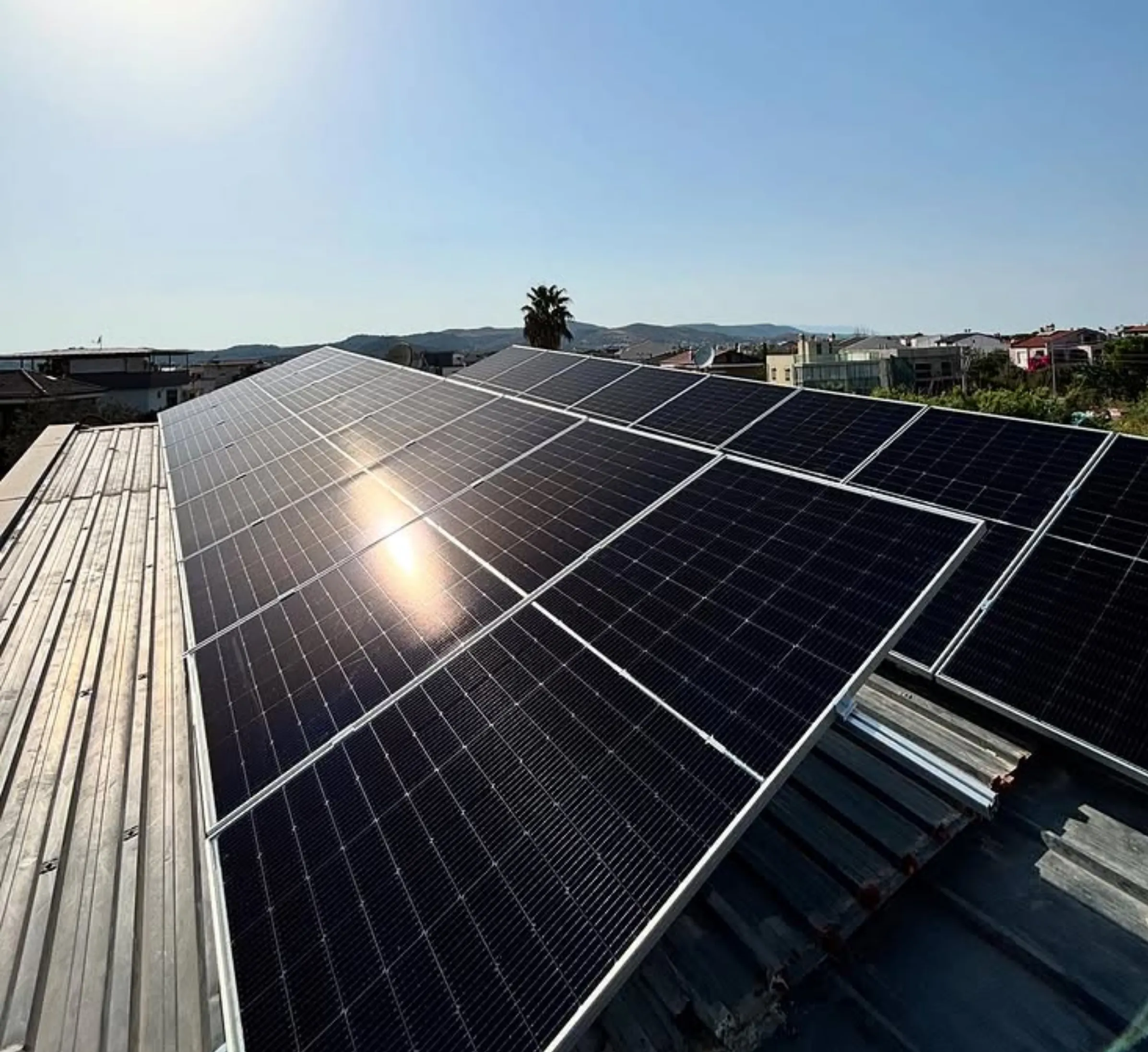
Dirty panels don’t just look bad — they quietly drain your solar efficiency and increase your electricity bill. A light layer of grime, marine layer residue or ash from a bonfire can reduce solar energy output by up to 25%. In coastal areas, it’s bird droppings and salt spray; inland, it’s dust storms and fine dirt.
Cleaning your solar panel system is one of the easiest ways to protect your renewable energy investment. The clearer your photovoltaic cells, the more sunlight they can absorb — which means more power and less strain on your solar batteries or backup battery.
| Location | Average Efficiency Loss (Without Cleaning) | Common Contaminants |
|---|---|---|
| Coastal (e.g., Geelong, Mornington Peninsula) | 20–30% | Salt spray, seabird droppings |
| Suburban Melbourne | 10–15% | Pollen, soot, leaf litter |
| Rural VIC & NSW | 5–10% | Dust storms, irrigation residue |
The DIY Mix That Works
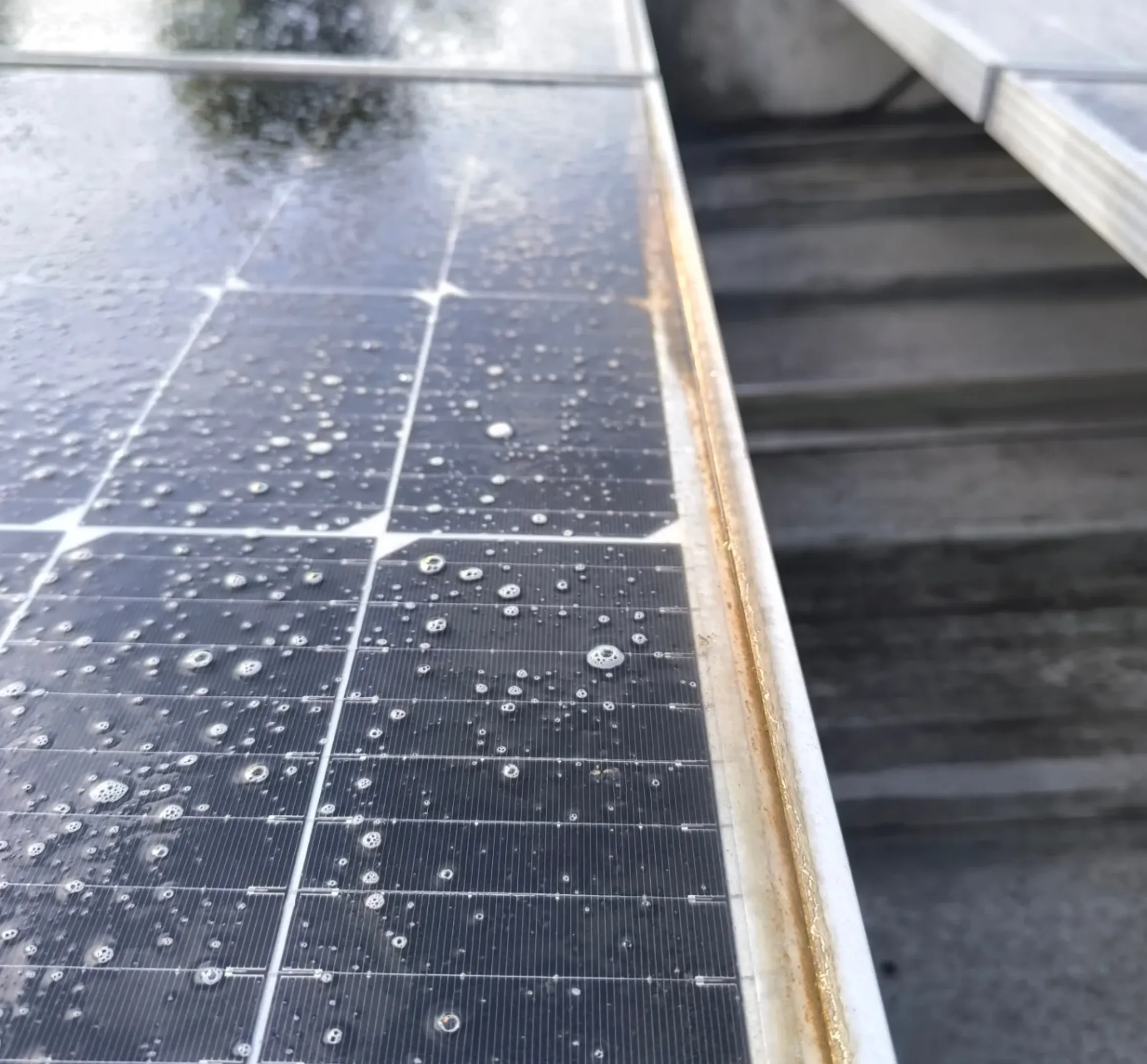
We’ve tried dozens of cleaning agents over the years — from vinegar and lemon juice to Blue Coral car wash-wax and random kitchen brews. Most were too strong, too acidic or left streaky water spots. The best homemade cleaning solution turned out to be simple, safe and manufacturer-approved:
Homemade Solar Panel Cleaner Recipe:
3 litres of soft or de-ionised water
¼ teaspoon of mild, eco-friendly dish soap (like Dawn dish soap or similar)
Optional: a few drops of white vinegar (low acetic acid level) for hard water stains
Mix in a bucket or squirt bottle, dip a soft brush or microfiber cloth, and gently scrub away dirt. No need for harsh chemicals or pressure washers — in fact, those can void your manufacturer’s instructions and damage the hydrophobic coatings on your panels.
Pro Tip: Always clean early in the morning or late afternoon. Cold panels + cool water = happy glass. Hot panels + cold water = thermal shock, and that’s an expensive mistake.
Mistakes That Cost You Efficiency
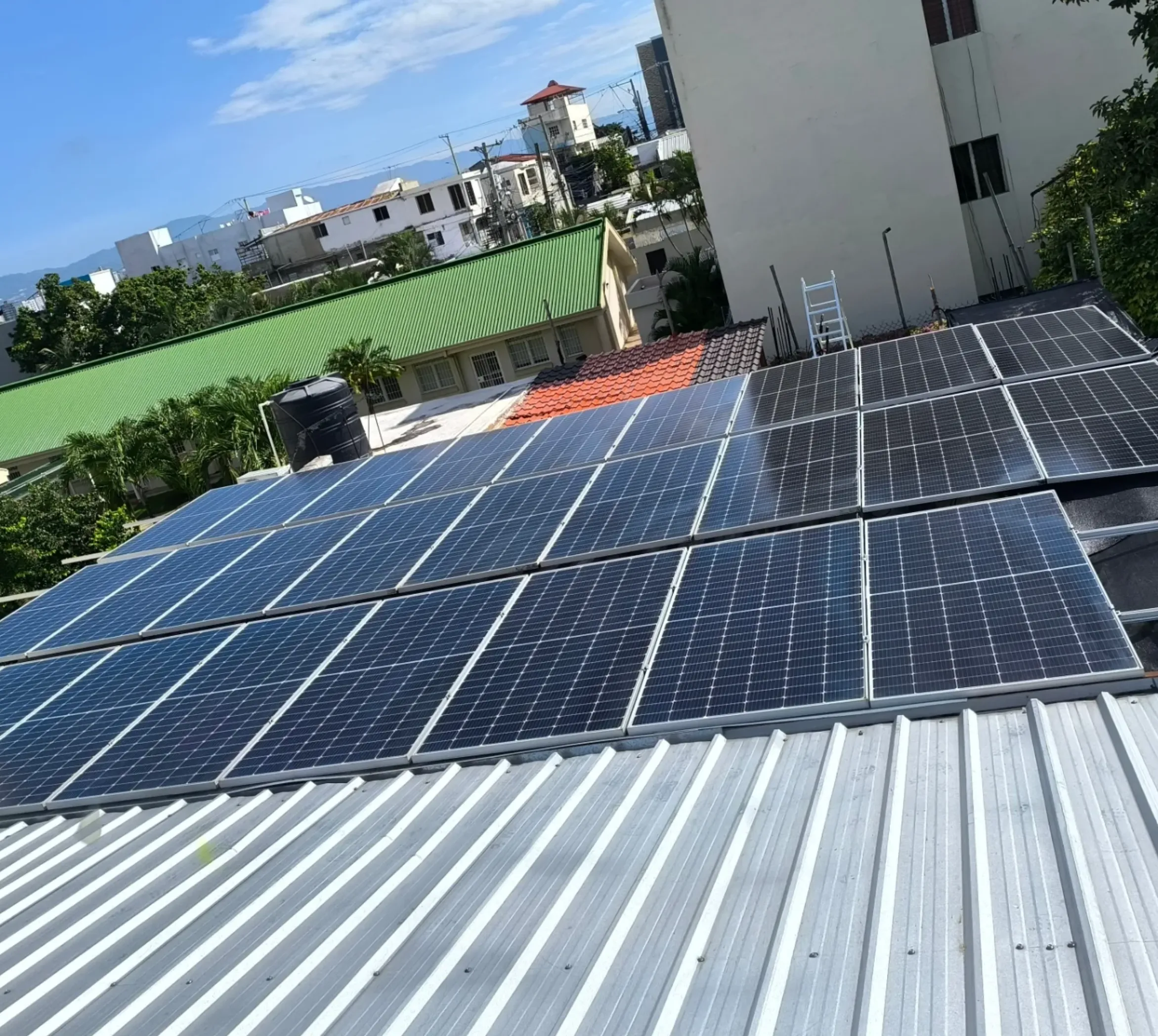
We’ve seen many DIY methods go wrong. Even the best solar panel cleaners sometimes slip up by rushing the job or using the wrong tools. A few classics:
- Pressure washer or power tools: Force water into seals, risking electrical faults in your solar PV system.
- Harsh chemicals: Damage coatings and cause permanent haze on the glass surface.
- Midday cleaning: Rapid evaporation leaves marks and streaks.
- Standing on panels: Seems obvious, but it happens — and microcracks kill energy output fast.
The safest way to clean solar panels? Keep it simple. Use a low-pressure washer if needed, soft water and a gentle cloth or telescopic brush. No scrubbing pads, no solvents, no dramas.
Best Times To Book a Clean
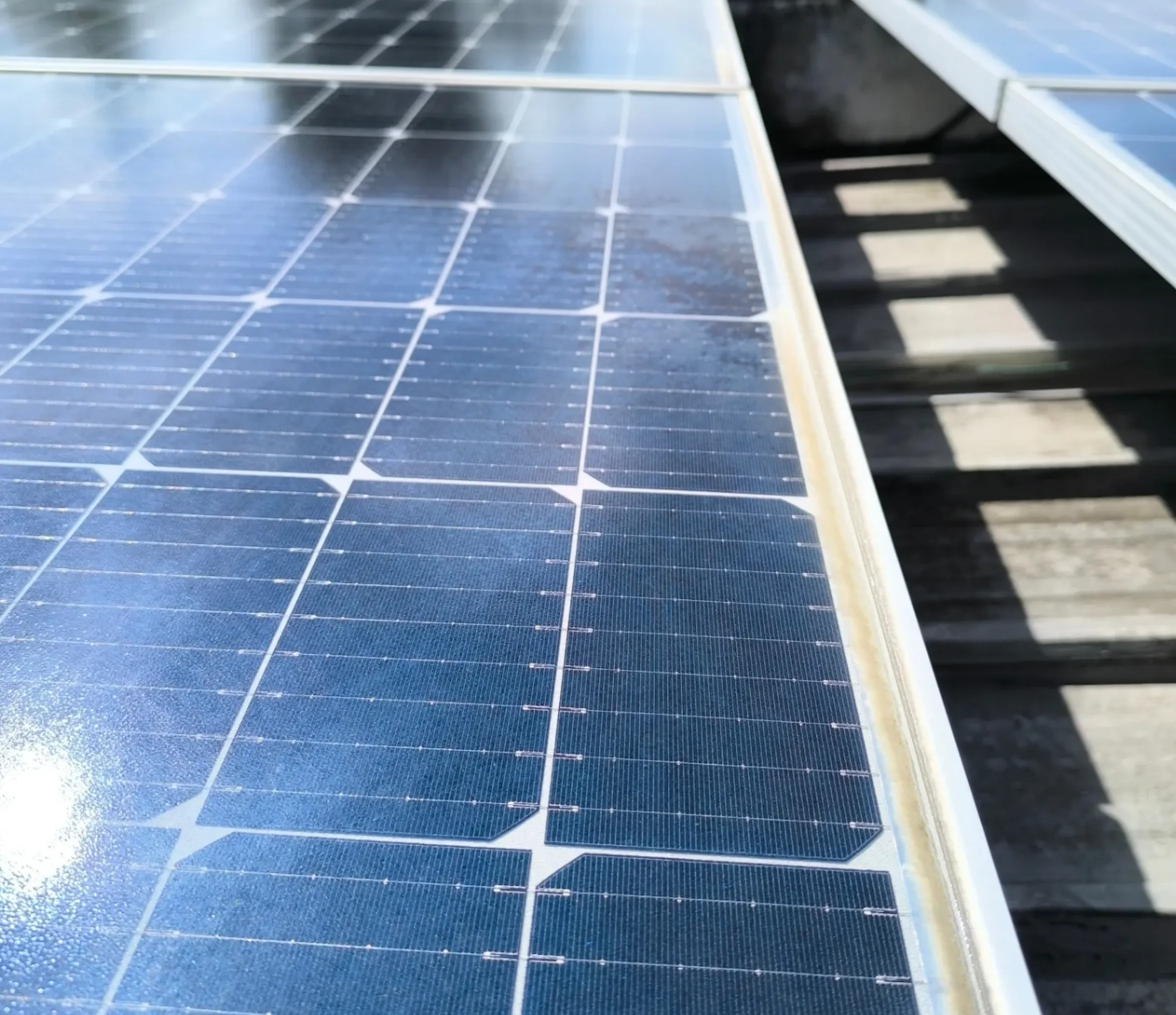
Your cleaning schedule depends on your environment and weather conditions. Melbourne’s mix of sea breeze, smog and unpredictable rain means you’ll need a solar panel maintenance routine at least twice a year — or more if you live near trees, construction or the coast.
| Environment | Cleaning Frequency | Why |
|---|---|---|
| Coastal homes | Every 3–4 months | Salt mist, bird droppings, marine residue |
| Suburban homes | Every 6 months | Rain, dust, leaves, and air pollution |
| Rural/farming areas | Every 3–6 months | Dust storms, irrigation overspray |
| Inner-city roofs | Every 4–6 months | Soot and fine urban grime |
If a performance analytics app monitors your solar array, you’ll often see dips in energy output before the panels even look dirty. A 10% drop in solar efficiency usually means it’s time for a rinse.
DIY Vs Professional Cleaning
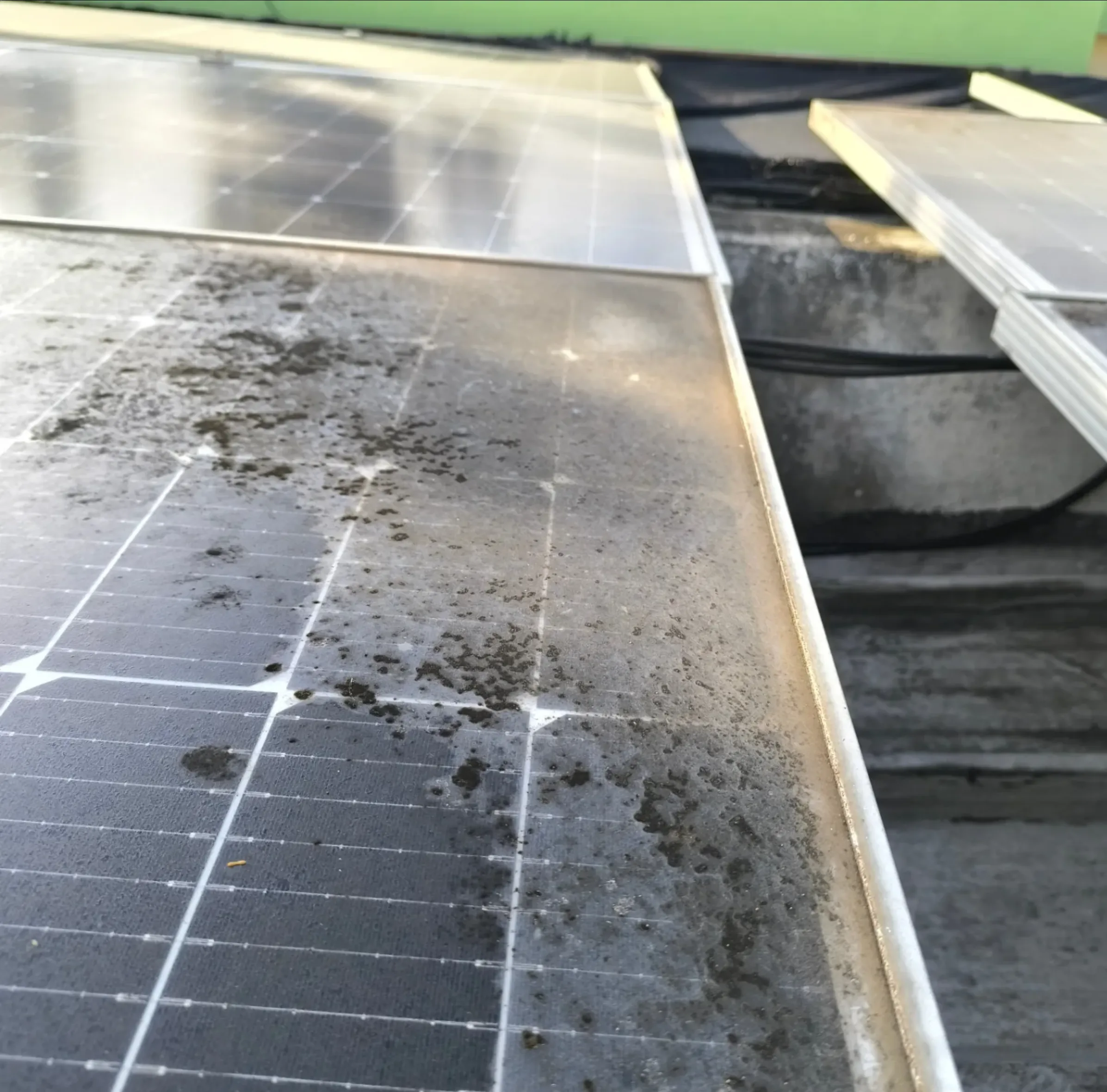
Now for the big question: should you do it yourself or call a Solar panel cleaning in Altona?
DIY cleaning works for single-storey homes and ground-mounted solar panels. You just need a stable ladder, safety gear like a harness, and the right cleaning tools — telescopic poles, microfiber cloths, and low-pressure hoses. But for steep roofs, large solar farms, or multi-storey setups, professional cleaning services are safer and more efficient.
DIY Pros:
- Budget-friendly and satisfying
- Great for small, accessible solar systems
- Let’s you spot cracks, leaks or loose mounts early
Pro Cleaning Pros:
- Use deionised water systems — zero mineral residue
- Equipped with a safety harness and roof access gear
- Includes checks on wiring, seals and solar energy system output
At Window Cleaning Melbourne Crew, we use purified water delivered through telescopic brushes, leaving a spotless, water-repellent surface without chemicals. It’s the same system trusted by commercial sites and solar farms across Victoria. In fact, when we clean solar panels in Altona, we often see how coastal winds and salt spray can sneak up on panels that look “clean” from the ground but are actually coated in fine residue. This kind quietly eats into efficiency.
Eco-Friendly Cleaning Tips
If you care about clean energy, it’s worth cleaning sustainably too. Here’s how to protect your panels and the planet:
- Skip harsh detergents: Stick to biodegradable, non-toxic options.
- Conserve water: Use a soft rinse, not a flood. Collect runoff where possible.
- Avoid bleach or alcohol: These break down coatings and reduce solar efficiency.
- Check the weather: Don’t clean before rain or during wind — you’ll just move the dirt around.
- Use renewable gear: Manual brushes or automated cleaning technology like robotic cleaners are eco-safe options for larger solar power systems.
Australia’s dry climate and frequent dust storms mean regular cleaning is essential — but doing it responsibly keeps your panels and waterways clear.
FAQ
Can I Use Vinegar?
Yes — but minimal. A few drops of white vinegar (low acetic acid) in 3 litres of water will remove hard-water stains without harming coatings.
Can Rain Clean My Solar Panels Naturally?
It will rinse dust but not bird droppings or baked-on grime. You’ll still need to do maintenance to get performance back.
Is It Safe To Use A Power Washer?
No. High pressure can force water into the wiring or damage seals. Always use low-pressure washers or telescopic brushes instead.
Do Professionals Use Chemicals?
Rarely. We use deionised water and special poles for streak-free cleaning — no soap needed.
How Do I Clean Panels With Hydrophobic Coatings?
Use only soft cloths and pure water. Never scrub or use wax-based products; they interfere with the coating’s water-repellent surface.