

The Pinnacles are in Nambung National Park in Western Australia and are one of the most incredible natural wonders of the region. Rising out of the desert sand, these natural wonders are a real-life landscape that will blow your mind. The Perth to Pinnacles day trip is more than a trip. It’s a journey of geological processes, cultural significance and the power of nature that has shaped this desert landscape.
The Pinnacles Formation
Millions of years ago, the area now known as Nambung National Park was underwater. The waters were teaming with marine life, and over time, the shells of marine organisms settled on the ocean floor, forming a thick layer of calcium carbonate. As the ocean receded, these ancient shells were left exposed and, over thousands of years, were turned into the bedrock of the Pinnacles. The geological processes at work were wind, rain and the shifting sand dunes that sculpted these unique rock formations.
Today, these limestone pillars, some up to 4m high, are a reminder of the power of wind and water that have shaped the landscapes of Nambung National Park. The Pinnacles are a natural wonder where the geological significance is matched only by their beauty. The yellow sand and gold sand surrounding the Pinnacles add to the surrealness of the landscape, one of the most amazing in Western Australia.
The Pinnacles
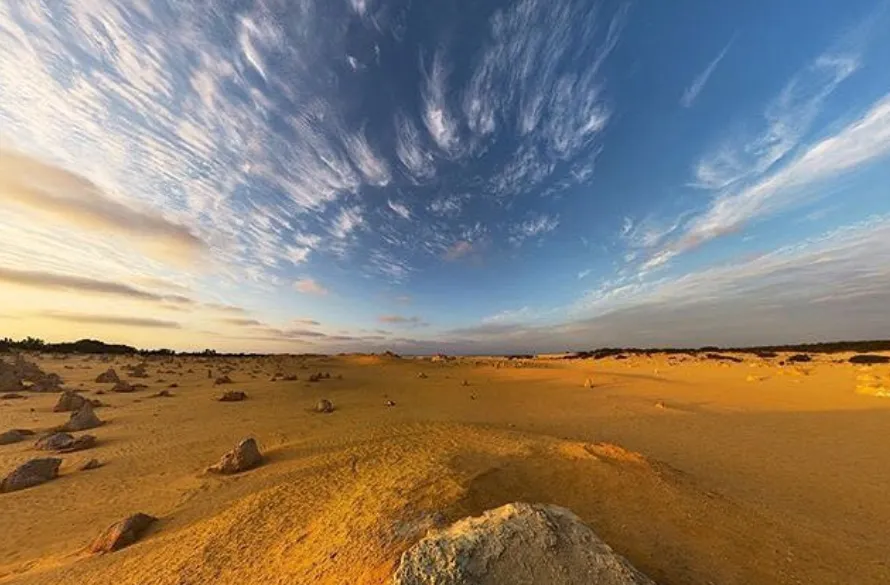
The Pinnacles are not just a product of ancient geological processes. They are a living record of the Earth’s history. The geological significance of the Pinnacles is in the process of formation, which gives us a window into the Earth’s past environments. The calcium carbonate concretions within the Pinnacles are evidence of the marine origins of the area and the geological formations themselves are a demonstration of the slow but powerful forces that have shaped the Earth’s surface.
Visitors to the Pinnacles can see for themselves the dramatic landscapes that have emerged from these ancient sea beds. The Pinnacles Desert Discovery Centre is where you can dig deeper into the natural history of the area with displays and information on the geological wonders of the region. The Centre also highlights the importance of preserving these natural wonders for future generations and why we need to protect this geological wonder as part of our global heritage.
Pinnacles Today

A Pinnacles day tour is a must, as you will get to see one of Western Australia’s most iconic natural wonders. The Pinnacles Drive allows you to self-drive through the Pinnacles Desert, with several stops along the way to take in the views. The contrast between the tall limestone pillars and the desert sand is impressive, especially at sunrise or sunset when the Pinnacles cast long shadows.
Walking trails also get you up close to the rock formations so you can see the details of the geology. As you walk keep an eye out for the local wildlife, emus, kangaroos and birds. The visitor centre has more information on the flora and fauna of the area including the plants that have adapted to the Pinnacles Desert.
For those interested in Indigenous culture the Pinnacles have deep cultural significance for the Aboriginal people of the region. The traditional custodians of the land, the Nyoongar people, have a long history connected to the Pinnacles and their stories and cultural practices are closely tied to the landscape. The Pinnacles Desert Discovery Centre has more information on this cultural heritage and asks visitors to respect and appreciate the spiritual significance of the area.
The Surrounding Region: More Than Just the Pinnacles
While the Pinnacles are the main attraction, the surrounding region of Nambung National Park and Western Australia has so much more to offer. Just down the road from the Pinnacles, the coastal town of Cervantes is the gateway to the Pinnacles, which has fishing industries and fresh Western Rock Lobster. The city is also the starting point for the Indian Ocean Drive, which has stunning coastal views and access to other natural attractions like Ningaloo Reef and Cape Range National Park.
The fishing town’s charm and proximity to Nambung National Park makes it the perfect base to explore the area. The nearby Wave Rock is another geological wonder to visit, its shape like a giant wave frozen in time. For those who want to go further Karijini National Park and Grampians National Park have stunning landscapes and hiking trails, gorges, deep gorges and ancient rock formations to discover.
For those who want to dig deeper into the area’s history, the Pinnacles Desert and surrounding regions have a rich history. The arrival of European settlers in the 17th and 20th centuries brought new challenges and changes to the landscape, but the connection between the land and its original custodians remains strong. The indigenous culture and other cultures of the region are celebrated and preserved, and efforts are made to ensure the natural beauty and cultural heritage of the area are passed on to future generations.
Tips for Your Trip

Location: The Pinnacles are in Nambung National Park, 200km north of Perth, along the Indian Ocean Drive. The drive itself is beautiful, with plenty of places to stop and take in the views.
Best Time to Visit: Morning or late afternoon is the best time to visit the Pinnacles. The light changes makes the scenery even more spectacular and there is less light pollution so you can see the stars at night.
Entry Fees: There is an entry fee for Nambung National Park which helps maintain the park’s facilities and the natural beauty.
What to Bring: Good walking shoes, hat, sunscreen and water are a must. If you’re going to explore the surrounding area consider visiting Jewel Cave, Balconies Cave Trail or Bear Gulch Cave to have a full Western Australia experience.
Cultural Connection
The Pinnacles are not just a geological wonder; they are also of great cultural importance to the local Indigenous people. The Nyoongar culture is deeply connected to the land, and their connection to the Pinnacles is reflected in their stories, practices and respect for the country. The Pinnacles Desert Discovery Centre is a platform to share this cultural heritage with visitors and to gain a deeper understanding of the spiritual and historical significance of the Pinnacles.
Wildlife and Natural Heritage

The Pinnacles Desert is home to emus, kangaroos and various bird species. These animals have adapted to the desert conditions and the Pinnacles are part of the region’s natural heritage. The visitor centre has information on the local wildlife and the plant species that thrive in the arid environment. The connection to the land and its people is why we need to save the Pinnacles for the future.
Conclusion
A visit to the Pinnacles is more than just looking at rocks in the desert; it’s an experience that will stay with you. The formations, views and natural and cultural history will resonate with everyone. Whether you’re a nature lover, a history buff, or just looking for something different, the Pinnacles has something for you.
The Pinnacles are a force of nature and the land. As you walk the Pinnacles Desert, you will gain a better understanding of how these formations were created and the sense of wonder they give. Whether you’re on a Pinnacles tour or by yourself, the Pinnacles are a must-see.
FAQ
What are the Pinnacles, and how were they formed?
The Pinnacles are ancient limestone formations in Nambung National Park, Western Australia. They were formed from calcium carbonate concretions from seashells millions of years ago. Wind and rain erosion did the rest.
How do I get to the Pinnacles from Perth?
The Pinnacles are 200km north of Perth and are accessible via the Indian Ocean Drive. 2 hours by car and stunning coastal views. Pinnacles tours are also available if you prefer to be guided.
When do I visit the Pinnacles?
Early morning or late afternoon is best. Light and cooler. Also minimal light pollution if you plan to stargaze in the evening.
Is there an entry fee to the Pinnacles?
Yes, there is an entry fee to Nambung National Park where the Pinnacles are. It goes towards the maintenance of the park facilities.
Can I visit the Pinnacles all year?
Open all year but recommended to visit during the cooler months (April to October) to escape the summer. So you can enjoy the Pinnacles without the heat.